
The success of any quarry or mining operation hinges on selecting the right equipment for the job. One of the most critical, yet often overlooked, factors in this decision is the hardness and abrasiveness of the local stone. The geological history of a region determines the properties of its aggregates, which in turn dictates the most efficient and cost-effective type of crusher for the application. Choosing incorrectly can lead to catastrophic wear, low productivity, and unsustainable operating costs.
Understanding Rock Hardness and Abrasiveness
Before selecting a crusher, it’s essential to understand the material properties you’ll be processing.
- Hardness: Typically measured on scales like Mohs or Protodyakonov, hardness is a rock’s resistance to deformation or scratching. Extremely hard rocks like granite and basalt require immense compressive force to break.
- Abrasioniveness: This refers to a rock’s ability to wear down machine parts. High quartz or silica content, common in many igneous and metamorphic rocks, is a primary driver of abrasion.
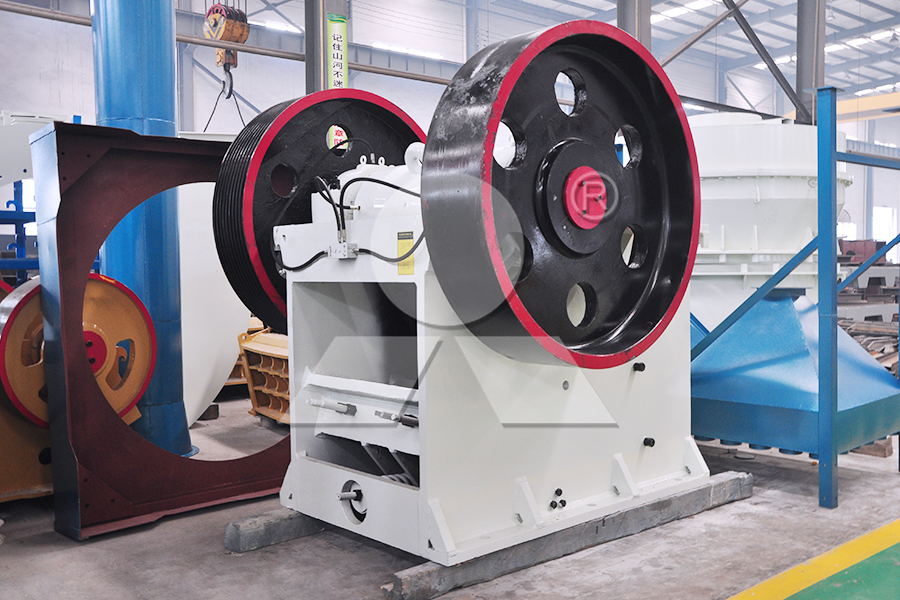
Crusher Selection for Hard, Abrasive Rock (e.g., Granite, Basalt, Quartzite)
Regions with abundant volcanic or metamorphic bedrock, such as mountainous areas or specific geological shields, present the toughest challenge.
- Primary Crushing: A robust jaw crusher is the undisputed champion for primary crushing of hard, abrasive rock. Its straightforward compressive action and heavy-duty construction are built to withstand the stress and wear.
- Secondary/Tertiary Crushing: A cone crusher, particularly a multi-cylinder hydraulic model, is the ideal choice. It uses a combination of compressive force and inter-particle attrition (rock-on-rock crushing) to reduce the material further. Its design is inherently more wear-resistant for continuous processing of abrasive feed.
- Avoid: Basic impact crushers are generally less suitable as their hammers and impact elements suffer rapid wear when processing highly abrasive materials, leading to exorbitant maintenance costs.
Crusher Selection for Medium-Hard, Less Abrasive Rock (e.g., Limestone, Dolomite, Sandstone)
Sedimentary basins and many coastal regions are rich in softer, carbonate-based rocks.
- Primary Crushing: Both jaw crushers and primary impact crushers are excellent choices. Impact crushers can be highly efficient here, offering a high reduction ratio in a single stage.
- Secondary/Tertiary Crushing: Both cone crushers and impact crushers are viable. Impact crushers (HSI or VSI) excel in this application because they produce a superior, well-shaped, cubical product—ideal for concrete and asphalt—and wear costs remain manageable.
- Key Advantage: The lower abrasiveness allows for greater flexibility in crusher selection, often enabling operators to prioritize the desired product shape.
Considerations for Unique or Variable Local Materials
Some regions present unique challenges that influence the final choice.
- High-Clay or Moist Content: In areas with weathered rock or clay-bound gravel, crushers with a “non-choking” design, like an impact crusher or a cone crusher with a large feed opening, are preferable to avoid packing and clogging. Pre-screening (scalping) is often essential.
- Mixed Geology: In regions with highly variable feed, a robust jaw crusher for primary duty paired with a versatile cone crusher for secondary work often provides the most reliable solution.
- Mobility Factor: For remote sites or operations with multiple small pits, a mobile crusher (jaw or cone) brings the plant to the rock, making the processing of localized, variable deposits economically feasible.
Conclusion: Match the Machine to the Geology
There is no one-size-fits-all crusher. The hardness and abrasiveness of a region’s stone are fundamental to the crusher selection process. Investing time in understanding local geology pays significant dividends. By matching your crusher type—be it a robust jaw, an efficient cone, or a shaping impact crusher—to the specific characteristics of your feed material, you build a more productive, profitable, and sustainable operation tailored to the land you work on.
- > Which Construction Projects are Mobile Impact Crushers Best Suited For?
- > Durable PFW Series Impact Crusher: Optimizing Performance for Modern Crushing Needs
- > The Indispensable Role of a Jaw Crusher in Railway Ballast Production
- > High-Performance Granite Jaw Crusher: 350 Tons Per Hour for Efficient Crushing
- > Highly Recommended Impact Crusher for Stone Crushing
- > Gravel and Sand Crushing Plant for Construction Quarries in Morocco
- > Demand for Mobile Impact Crushers in the African Market: Trends and Opportunities
- > Feasibility of Using an Impact Crusher for Fly Ash and Slag


Online


Message