
Impact crushers are renowned for their versatility and high-performance crushing action. However, they truly excel when matched with the right type of feedstock. Their fundamental operating principle—high-speed impact and shattering—makes them exceptionally well-suited for processing brittle or friable materials. Understanding which materials fall into this category is key to maximizing crusher efficiency, product quality, and operational economy.
Core Principle: Why Impact Crushing Excels with Brittle Materials
Impact crushers utilize a high-speed rotor and hammers (or blow bars) to strike and accelerate material onto impact aprons or anvils. This creates intense stress and fracture.
- Low Fracture Toughness: Brittle materials have minimal plastic deformation before breaking. They shatter easily upon a high-energy impact, requiring less energy to achieve size reduction compared to tough, ductile materials.
- High Reduction Ratios: The violent impact action can achieve significant size reduction in a single pass, often producing a well-shaped product in one stage.
- Natural Cleavage: Many brittle minerals (like limestone, coal) have natural planes of weakness. Impact force exploits these planes, leading to efficient fragmentation.
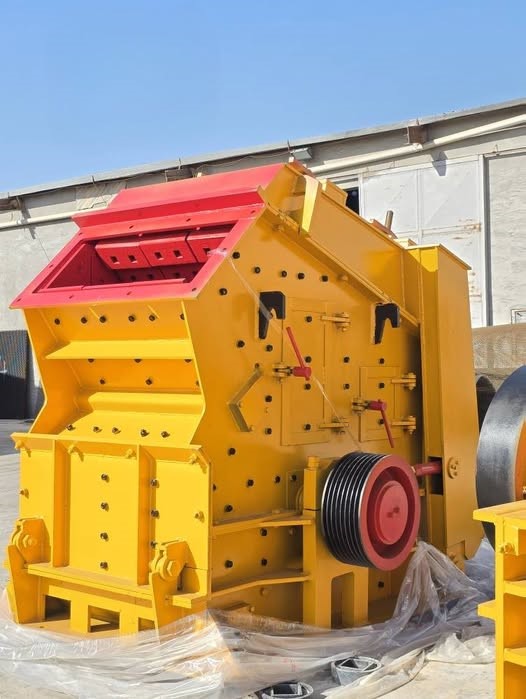
Primary Brittle Materials for Impact Crushers
The following material types represent the classic and most efficient applications for impact crushers.
- Sedimentary Rocks (Limestone, Dolomite, Sandstone):
- These are the most common and ideal materials for horizontal shaft impact (HSI) crushers. Their moderate hardness and brittle nature allow for efficient crushing into high-quality, cubical aggregate for concrete and asphalt.
- Industrial Minerals (Gypsum, Phosphate Rock, Salt):
- Materials like gypsum are very soft and friable. Impact crushers can gently yet effectively reduce their size for board manufacturing or agricultural use without generating excessive, unwanted fines.
- Coal and Coke:
- A premier application. Impact crushers (often ring granulators or specialized hammer mills) are standard in coal processing plants to crush run-of-mine coal to a desired size for power generation or coke production.
- Recycled Materials (Concrete, Asphalt, Brick):
- While concrete can contain hard aggregate, the cementitious matrix is brittle. Impact crushers are the go-to machine for C&D recycling, efficiently liberating rebar and producing a clean, crushed product.
- Certain Ores and Minerals:
- Some metallic ores and non-metallic minerals with brittle characteristics (e.g., some potash ores) can be effectively processed by impact crushers in secondary or tertiary stages.
Materials to Approach with Caution
While versatile, impact crushers are not universal. They are generally less suitable for:
- Very Hard, Abrasive Materials: Continuous processing of granite, basalt, or quartzite leads to extremely rapid wear of blow bars and aprons, making operation cost-prohibitive.
- Highly Plastic or Clayey Materials: Wet, sticky, or ductile materials can cause build-up (packing) in the crushing chamber and clogging, reducing efficiency.
- High-Silica Materials: While crushable, they accelerate abrasive wear significantly.
Optimizing Performance for Brittle Feed
To get the best results when crushing brittle materials:
- Rotor Speed Control: Higher rotor speed generally produces a finer product, which is often desirable for brittle materials like coal or gypsum.
- Gap/Appron Adjustment: Fine-tuning the distance between the rotor and the impact aprons allows precise control over the final product size.
- Wear Part Selection: Even with brittle materials, wear occurs. Using the appropriate metallurgy for blow bars (e.g., medium-chrome) balances cost and service life.
Conclusion: The Ideal Match for Efficient Fragmentation
In summary, impact crushers are perfectly suited for crushing a wide range of brittle materials, including limestone, coal, gypsum, recycled concrete, and various industrial minerals. Their high-speed impact mechanism exploits the low fracture toughness of these materials, delivering efficient size reduction, excellent product shape, and operational flexibility. When your primary feedstock is brittle, an impact crusher is often the most efficient and economical choice for your crushing circuit.
- > Cone Crushers in Malaysia: Enhancing Efficiency in Mineral Processing and Construction
- > Advantages of Mobile Jaw Crusher in Construction Waste Recycling
- > The Indispensable Role of a Jaw Crusher in Railway Ballast Production
- > The Application of Mobile Jaw Crushers in Cambodia: Enhancing Efficiency in Mining and Construction
- > Comprehensive Guide to Choosing the Right Jaw Crusher Model
- > High-Demand Mining Ball Mill Widely Used in Cement Production Lines
- > PE 250×400 Jaw Crusher for Gravel Production Lines
- > The Role of Cone Crushers in Indonesia’s Mining and Construction Industries


Online


Message