
A 450-500 TPH river pebble crushing and sand production line represents a large-scale, high-value project designed to transform natural river pebbles into high-quality manufactured sand and aggregates. River pebbles, known for their high hardness, abrasiveness, and smooth surface, present unique challenges that require a well-engineered crushing solution. This article outlines the optimal process flow and equipment selection for an efficient and profitable river pebble sand making plant.
Project Overview and Material Challenges
The primary goal is to process river pebbles at a rate of 450 to 500 tonnes per hour into premium sand and various aggregate sizes. Key challenges when working with river pebbles include:
- High Abrasiveness: Rapid wear on crusher liners and wear parts.
- High Silica Content: Can be very hard, demanding robust crushing forces.
- Natural Round Shape: Poor innate interlocking properties, which must be improved through crushing to create a cubical product for construction.
- Potential for Mud Content: Washing is often an essential step to ensure product quality.
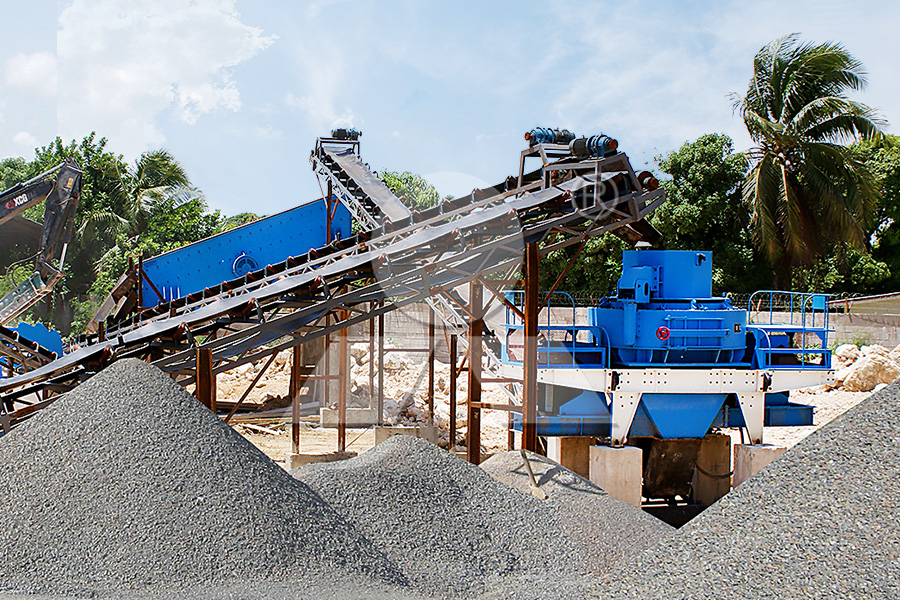
Recommended Equipment for a 450-500 TPH River Pebble Line
A successful plant design must prioritize wear resistance and particle shape optimization.
1. Primary Crushing: Jaw Crusher
- A large, sturdy jaw crusher (e.g., C125, PE1200x1500) is used for the initial coarse crushing. It reliably breaks the large river pebbles (up to 800mm) down to 150-200mm.
- Why it works: Its robust design handles the high abrasiveness well and provides a high reduction ratio with minimal wear costs at this first stage.
2. Secondary Crushing: Multi-Cylinder Hydraulic Cone Crusher
- This is the most critical stage for a hard and abrasive material like river pebble. A multi-cylinder cone crusher (e.g., HP400, HPS315) is the ideal choice.
- It takes the primary crushed material and reduces it further to about 40-60mm.
- Why it works: It offers a perfect balance of high crushing force, excellent particle shape, and advanced hydraulic controls for overload protection and automatic adjustment. Its laminating crushing principle is key for reducing wear.
3. Tertiary Crushing & Sand Making: Vertical Shaft Impact (VSI) Crusher
- For the final crushing stage, a VSI crusher is indispensable for producing high-quality manufactured sand.
- It uses a “rock-on-rock” and “rock-on-iron” crushing action to break down the 40-60mm stones into 0-5mm sand.
- Why it works: The VSI crusher is unparalleled in creating a cubical, well-graded sand product that mimics natural sand. It optimizes the grain shape, making it ideal for high-strength concrete.
4. Screening and Classification: Vibrating Screens
- Multiple sets of high-frequency vibrating screens are deployed at various stages (after primary, secondary, and tertiary crushing) to separate material into precise fractions.
- Closed-circuit design is used, where oversized material is continuously returned to the crushers for re-processing.
- Why it works: Ensures product specification compliance and maximizes overall plant efficiency.
5. Material Handling and Washing: Conveyors and Sand Washers
- A network of heavy-duty belt conveyors connects the entire process.
- A wheel bucket sand washer or fine material washer is often included to remove impurities and excess silt, ensuring the final sand meets cleanliness standards.
Process Flow Description
- Feeding & Pre-Screening: River pebbles are fed into a hopper by dump trucks. A vibrating grizzly feeder removes fine soil and small particles before the material enters the jaw crusher.
- Primary Crushing: The jaw crusher performs coarse crushing.
- Secondary Crushing & Screening: The coarsely crushed material is conveyed to a cone crusher. The crushed product is then screened; oversized material returns to the cone crusher, while the correctly sized material moves forward.
- Sand Making & Final Screening: The material is sent to the VSI crusher. The output from the VSI is screened to separate the final sand product (0-5mm) from other aggregate sizes (e.g., 5-10mm, 10-20mm).
- Washing & Stockpiling: The sand is sent to a sand washer for cleaning, and all final products are conveyed to separate stockpiles.
Key Advantages of This Production Line
- High Efficiency & Automation: Designed for continuous operation with minimal downtime, often controlled by a central PLC system.
- Superior Product Quality: The combination of a cone crusher and VSI crusher guarantees a cubical, well-shaped final product with excellent gradation.
- Wear Resistance: The selected equipment, especially the cone and VSI crushers with their specialized liners, is built to withstand the abrasive nature of river pebbles, reducing long-term operating costs.
- Comprehensive Solution: The line produces a full range of products, from coarse aggregates to high-quality manufactured sand, maximizing the value of the raw material.
Conclusion
A well-planned 450-500 TPH river pebble crushing and sand production line is a highly profitable investment for supplying the growing demand for quality aggregates in the construction and infrastructure sectors. By selecting robust equipment like jaw crushers, multi-cylinder cone crushers, and VSI crushers, operators can overcome the challenges of processing abrasive river pebbles and establish a reliable source of premium construction materials.
- > Jaw Crusher for Mining Stone Crushing
- > Is a Jaw Crusher Mandatory for the Primary Crushing Stage?
- > Why is the cone crusher the preferred choice for crushing granite?
- > Sustainable Urban Renewal: Mobile Construction Waste Crushing Solutions for Cuba
- > Innovative Mobile Cone Crushers in Algeria: Transforming the Mining and Construction Industries
- > Metal Ore Sand Washing Machine: A Crucial Tool Widely Used in the Mining Industry
- > Applications and Advantages of Jaw Crushers in South American Mining Operations
- > Hydraulic Cone Crusher in South Africa: Optimizing Performance for Mining and Construction


Online


Message