
Based on recent municipal audits across high-density urban zones, the fastest way to hemorrhage capital is a shutdown order due to fugitive dust and neighborhood noise complaints. Processing reinforced concrete slabs directly in a downtown demolition zone requires more than brute force; it requires strict environmental integration. Operating a primary crushing circuit inside city limits means every fractured piece of concrete must be handled without triggering particulate alarms or exceeding decibel thresholds. The engineering reality of turning waste into certified recycled aggregate hinges entirely on the structural containment capabilities of your mobile plant.
Acoustic and Particulate Management in City-Center Demolition
High-velocity impact crushing creates massive particulate spikes; suppressing this at the rotor housing is non-negotiable for city permits.
The sensory reality of urban recycling is unforgiving. You feel the deep vibration of the 200 kW power unit inside the K3CI1213-1 mobile medium crushing plant, but the surrounding neighborhood must hear nothing more than a dull hum. Construction waste is inherently dry and laced with fine cement dust. When the rotor strikes 430mm blocks of demolition debris, the resulting kinetic energy vaporizes the mortar. Without an integrated, high-pressure misting system acting directly at the feed hopper and discharge conveyors, that silica dust escapes into the urban canopy.
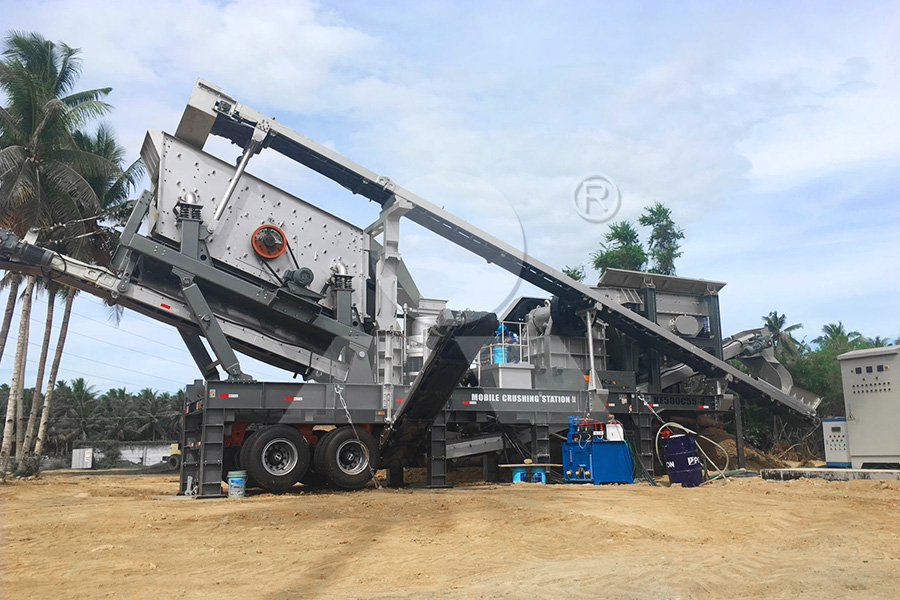
Enclosing the material flow is the only proven defense. Advanced mobile impactors utilize thick rubber shielding and encapsulated transfer points to trap noise and airborne fines. The physical footprint also plays a critical role in urban compliance. A plant spread across too wide an area becomes impossible to encapsulate. Integrating the crusher, screen, and conveyors onto a single, tightly packed chassis minimizes the exposure area, keeping the dust suppression localized and highly effective.
The Zero-Waste Workflow: Synchronizing Primary Impactors and VSI Fine Crushing
Combining the impactor with high-speed vertical shaft impactors eliminates flat particles, ensuring recycled aggregate passes tight municipal concrete standards.
To handle the abrasive nature of mixed demolition waste and output a product that concrete batching plants will actually purchase, we have engineered the following circuit. A standalone impactor will reduce the size, but the mortar adhered to the original gravel creates structural weakness. Pushing the secondary output through a specialized fine crushing module strips this weak mortar away.
| Process Stage | Recommended Model | Capacity (tons per hour) | Power (kilowatts) | Max Feed (millimeters) |
|---|---|---|---|---|
| Mobile Medium Crushing | K3CI1213-1 | 150-250 | 200 | 430 |
| Mobile VSI Fine Crushing | K3V9026-1 | 160-320 | 264 | 45 |
When concrete debris drops into a K3V9026-1 unit, the 264 kW drive system accelerates the material, utilizing rock-on-rock collision. This unit safely accepts a maximum feed of 45mm. The violent kinetic collision inside the VSI chamber fractures the material along its natural internal faults. This eliminates hidden micro-cracks inside the aggregate, ensuring the final cubic product meets rigorous high-grade municipal aggregate standards.
Enforcing Sub-10mg/m³ Particulate Limits on Abrasive Concrete
Standard dust suppression is insufficient for dry urban concrete; high-pressure atomization is required to bind silica before it leaves the discharge belt.
Smelling the sharp scent of atomized water trapping silica dust lets you know the mitigation system is functioning. Relying on simple gravity sprays only wets the surface of the belt, leaving the airborne cloud entirely unaffected. You must deploy fine-mist atomizers that create droplets equal in size to the dust particles themselves, forcing them to agglomerate and drop back into the material flow.
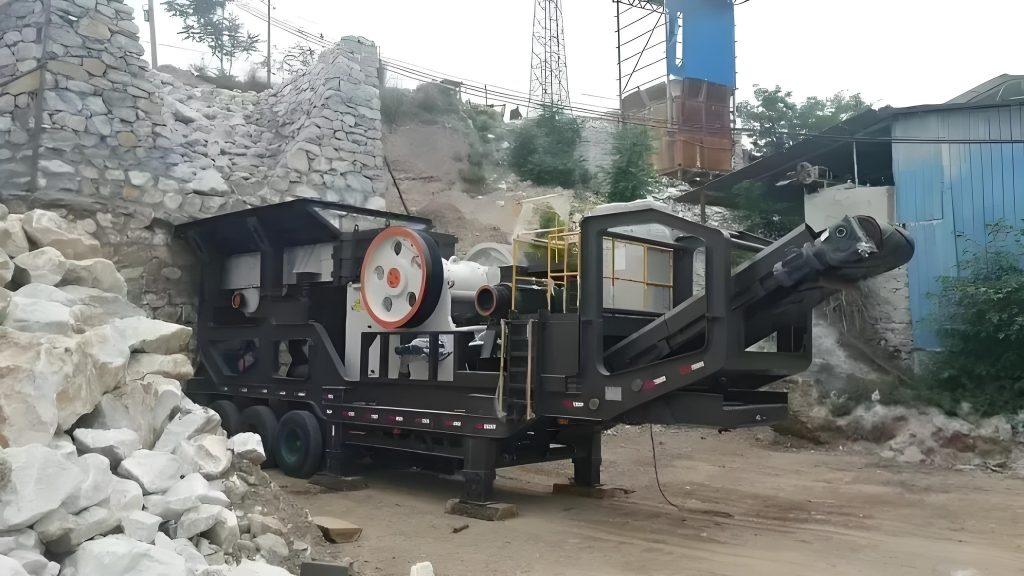
Operating the K3CI1213-1 impactor at a capacity of 150-250 tons per hour generates a massive volume of fines. If the integrated dust suppression circuit fails for even ten minutes, the local environmental board will issue a stop-work order. Proper compliance engineering routes the misting nozzles directly inside the impact housing, saturating the dust at the moment of fracture.
Environmental Audit Log: Synchronizing K3 Mobile Series with Urban Waste
- Primary Impactor Capacity: 150-250 tons per hour
- Secondary VSI Motor Rating: 264 kilowatts
- Impactor Max Feed Diameter: 430 millimeters
- Primary Impactor Power: 200 kilowatts
- VSI Feed Restriction: 45 millimeters
Technical Index: LH-APPLICATION OF MOBILE IMPACT CRUSHERS IN CONSTRUCTION WASTE PROCESSING-April/2026-Ref-#82914
Compliance Officer’s Log: Urban Demolition Thresholds
Why does the local inspector frequently flag older crushing circuits for noise violations during peak loading? Monitoring acoustic data reveals that poorly insulated diesel engines and exposed transfer chutes generate severe frequency spikes when processing high-density concrete. Modern enclosed plant designs dampen these specific shockwaves. How does the K3CI1213-1 impactor handle rebar entanglement inside the chamber? Field audits show that without adequate clearance and robust blow-bars, steel reinforcement will bridge the discharge. A properly engineered cavity allows tangled steel to exit the chamber quickly, where an overhead magnetic separator can cleanly extract it. What causes the recycled aggregate to fail structural compression tests for new concrete? Abrasive testing proves that skipping the VSI shaping phase leaves residual, weakened mortar clinging to the aggregate. The 264 kW VSI is mandatory to scrub this weakness away via intense rock-on-rock attrition. Why is water pooling around the discharge belts despite using misting nozzles? Flow dynamics indicate that using low-pressure hoses instead of high-pressure atomizers drowns the material without actually capturing airborne fines. You must match the mist droplet size to the microscopic silica dust for proper agglomeration.
Defending Operational Viability in Zero-Waste Municipal Zones
Securing a steady production flow in a highly regulated downtown environment demands an uncompromising approach to equipment selection. Relying on the 430mm feed capacity of an integrated mobile impactor means nothing if your site gets locked down due to a lack of acoustic and particulate containment. Next month, attempting to run a brute-force, unshielded demolition circuit will result in catastrophic permit revocations and dead capital.
Stop Guessing on Urban Emission Thresholds
“Assess your containment capability before the city inspector does.” — From the Desk of your Chief Environmental Operations Director
- > Common Issues with Vibrating Screen Bodies and Their Solutions
- > The Application of Mobile Jaw Crushers for Limestone in South Africa
- > Optimizing Raw Material Grinding Size and Feed Capacity in Ball Mills
- > Applications of Mobile Cone Crushers in Secondary Crushing for Sand and Gravel Aggregate Plants
- > Impact Crushers for Shaping Construction Aggregates
- > HSPF Series Impact Crushers for Ore Crushing
- > Advantages of Vertical Shaft Impact (VSI) Crushers in Manufactured Sand Production Lines
- > Impact Crusher for Construction Waste Recycling in Australia


Online


Message