
Processing highly abrasive ores—such as quartzite, granite, some iron ores, and gold-bearing hard rock—represents one of the most significant challenges in aggregate and mining operations. The relentless wear on crushing equipment directly impacts operational costs, availability, and final product consistency. In this demanding environment, the modern cone crusher stands out as a critical solution, specifically engineered to balance reduction efficiency with exceptional wear life. This article explores the key factors determining cone crusher performance in high-wear applications and how to optimize your operation.
The Challenge: Understanding Abrasive Wear
Abrasive wear occurs when hard rock particles grind against the crusher’s wear parts, primarily the mantle and concave. This leads to:
- Rapid liner wear: Changing geometry affects product gradation and crusher throughput.
- Increased downtime: Frequent liner changes reduce operational availability.
- Rising operational costs: Costs for spare parts (liners) and labor for changes drive up the cost per ton.
- Unstable product quality: As liners wear, the closed-side setting (CSS) changes, causing product fineness and gradation to fluctuate.
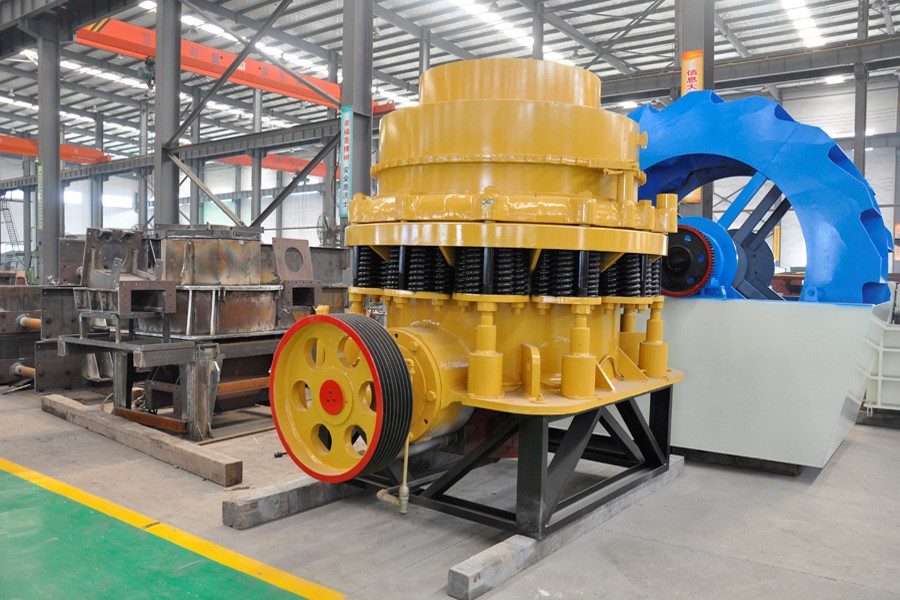
How Cone Crushers Are Engineered for the Fight Against Abrasion
Modern cone crushers are not all created equal. Specific design and operational features are paramount for success in abrasive conditions:
1. Advanced Liner Technology & Materials:
- High-Grade Manganese Steel: Standard liners are often insufficient. Opt for premium manganese steel alloys with enhanced work-hardening properties. These liners develop a harder surface layer during operation, extending service life.
- Optimal Liner Profiles: Choose chamber profiles (e.g., coarse, fine, or extra-coarse) designed for maximum wear life in your specific feed size and product requirement. A well-matched profile ensures even wear distribution and maintains desired crushing action longer.
- Liner Retention Systems: Reliable systems that securely hold liners in place prevent premature failure and unsafe conditions.
2. Efficient Crushing Chamber Design:
- A well-designed chamber ensures optimal inter-particle crushing, where rock crushes rock to a significant degree. This minimizes direct wear on the liners by creating a protective rock-on-rock layer, improving efficiency and liner life.
3. Robust Hydraulic Systems & Protection:
- Hydraulic Adjustment (CSS): Allows for quick and easy setting changes to compensate for liner wear, helping maintain consistent product size without manual intervention.
- Hydraulic Overload Protection: Instantly releases the crushing chamber if uncrushable material (tramp metal) enters, preventing catastrophic damage to the crusher’s mechanical components—a critical feature when processing hard, variable feed.
4. Effective Automation & Control Systems:
- Advanced Automation Systems (like ASRi or similar): Continuously monitor crusher load, power draw, and pressure. They automatically adjust the CSS in real-time to maintain optimal performance and throughput as liners wear, ensuring consistent product quality and maximizing liner utilization.
Optimizing Cone Crusher Performance on Abrasive Ore: Best Practices
Selecting the right machine is only the first step. Operational practices are equally crucial:
- Proper Feed Distribution: Use a well-designed feed arrangement (distributor plate, feed hopper) to ensure even feeding across the entire crushing chamber. Center-feeding causes uneven wear and reduces liner life.
- Choke-Feeding is Key: Operate the crusher in a choke-fed condition (crushing chamber always full). This promotes inter-particle crushing, improves product shape, and significantly increases liner life by distributing wear evenly.
- Regular Monitoring & Maintenance: Implement a rigorous wear-part inspection schedule. Track power draw, product gradation, and crusher pressure trends to predict liner replacement intervals and plan maintenance downtime effectively.
- Correct Speed & Stroke: Configure the crusher’s eccentric speed and stroke combination for your material. A setting optimized for capacity on soft rock may accelerate wear on hard, abrasive ore.
Conclusion: The Path to Lower Cost per Ton
While highly abrasive ore will always present a wear challenge, the strategic selection and operation of a modern cone crusher can transform this challenge into a manageable, cost-effective process. The goal shifts from simply achieving high tons per hour to maximizing total tons crushed per liner set and minimizing non-productive downtime.
Investing in a cone crusher engineered with robust components, pairing it with premium wear parts, and adhering to best practices in feeding and automation is the proven formula for success. This approach directly attacks the total cost of ownership, ensuring that your crushing circuit remains productive, predictable, and profitable even when facing the toughest materials.
- > Key Factors Affecting the Production Efficiency of Jaw Crushers
- > Key Features of Jaw Crushers in Tanzania: Durability and Efficiency in Tough Conditions
- > Cone Crushers for Aggregate Crushing: The Essential Tool for High-Quality Production
- > Preventive Maintenance Practices for Vibrating Screens
- > Cone Crusher for Kaolin Processing in Nigeria: Enhancing Efficiency and Productivity
- > The Application of Jaw Crushers in Gold Production
- > Cone Crusher Applications in Pakistan’s Stone Quarrying Industry
- > Impact Crusher: The Best Equipment for Efficient Concrete Recycling


Online


Message