
The success of a high-quality manufactured sand (M-Sand) production line is not decided at the final VSI crusher; it is decided at the front-end. Selecting the wrong primary and secondary crushers can lead to high flaky-particle rates, excessive energy consumption, and frequent maintenance.
At Henan Liming Heavy Industry Co., Ltd., we have optimized thousands of sand-making plants worldwide. This guide will help you choose the ideal front-end configuration based on your raw material and production goals.
1. Equipment Introduction: The “Foundational” Stage
The “front-end” typically refers to the Primary Crushing and Secondary Crushing stages. Their job is to take raw boulders and reduce them to the optimal feed size (usually <40mm or <50mm) for the sand-making machine (VSI).
Common Front-End Heroes:
- PE/PEW Series Jaw Crusher: The universal choice for primary crushing.
- HST/HPT Series Cone Crusher: The specialist for hard and abrasive rocks.
- PF Series Impact Crusher: The shaper for soft to medium-hard rocks.
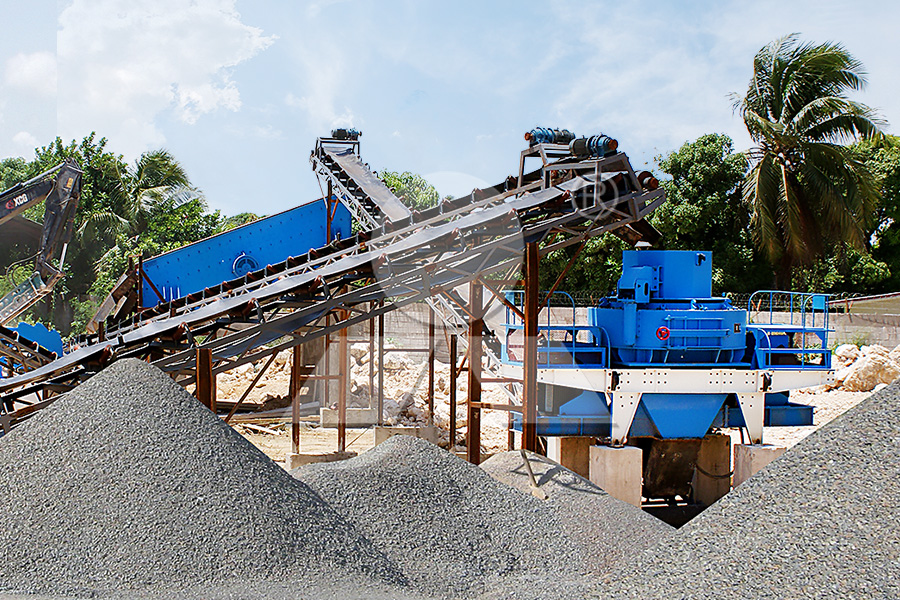
2. Working Principle: The Importance of “Feed Grading”
The front-end equipment must provide a consistent and well-graded feed.
- Primary Stage: The Jaw Crusher uses “squeeze” force to break down large rocks.
- Secondary Stage: This is the most critical choice. A Cone Crusher uses laminating crushing to handle hard rocks, while an Impact Crusher uses high-speed impact to achieve better grain shape in softer rocks.
- The Goal: By the time the material reaches the Liming VSI6X sand maker, it should be uniform, which reduces the load on the VSI and extends the life of the wear parts.
3. Applicable Materials: Matching Rock to Machine
Choosing the front-end depends entirely on your raw material’s Mohs Hardness and Abrasiveness.
| Material Type | Typical Rocks | Recommended Front-End |
| Hard & Abrasive | Granite, Basalt, River Pebble, Quartz | Jaw Crusher + Cone Crusher |
| Medium & Soft | Limestone, Dolomite, Gypsum | Jaw Crusher + Impact Crusher |
| Recycled Content | Construction Waste, Bricks | Jaw Crusher + Impact Crusher |
5.Technical Parameters: Capacity & Feed Size
| Equipment Series | Max Feed Size (mm) | Discharge Range (mm) | Feature |
| PEW Jaw Crusher | Up to 1100mm | 100–300 | High strength, Large ratio |
| HST Cone Crusher | Up to 560mm | 10–50 | High efficiency for hard rock |
| PF Impact Crusher | Up to 350mm | 20–60 | Excellent cubical shape |
5. Application Case: A River Pebble Sand Line in the Philippines
The Challenge: The client needed to produce high-grade concrete sand from extremely hard, smooth river pebbles. The Liming Solution: * Front-End: PEW Jaw Crusher (Primary) + HPT Multi-Cylinder Cone Crusher (Secondary).
- Final Stage: VSI6X Sand Making Machine. The Result: By using the HPT Cone Crusher as the front-end secondary stage, the pebbles were pre-crushed into cubical fragments. This increased the sand-making efficiency of the VSI by 20% and reduced the wear on the VSI’s throwing head by 15%.
6. Why Choose Liming Heavy Industry (Liming Heavy Industry)?
At Henan Liming Heavy Industry Co., Ltd., we don’t just sell machines; we design the most economical “Front-to-Back” flow.
- Integrated Design: We ensure the discharge opening of the front-end perfectly matches the feed opening of your sand maker.
- Advanced Metallurgy: Our jaw and cone liners are made from proprietary alloys, lasting 20-30% longer in harsh mining conditions.
- Global Service: With 30+ years of experience, we provide local technical support in over 100 countries, including the DRC, Zambia, Philippines, and Russia.
Conclusion: Start Right to Finish High
The quality of your sand is only as good as the crushing that happens at the front of the line. For hard rocks, prioritize the Cone Crusher to protect your investment; for softer stones, the Impact Crusher will give you the best shape.
Would you like a customized equipment list and 3D flow diagram for your sand-making project? Contact Liming Heavy Industry today!
- > How to Handle Clay Contaminated Stone in Crushing Process
- > Key Process Points for Crushing Volcanic Rock in Indonesia with Jaw Crushers
- > How Much Does a 100 Tons Per Hour Mobile Impact Crushing Station Cost?
- > Cone Crusher Applications in Pakistan’s Stone Quarrying Industry
- > Why Jaw Crushers Are the Primary Choice for Crushing Large Ore Blocks: A Technical Analysis
- > Portable Impact Crusher: A High-Performance Solution for Granite Processing
- > How Rock Hardness in Different Regions Impacts Crusher Selection
- > Sustainable Urban Renewal: Mobile Construction Waste Crushing Solutions for Cuba


Online


Message