
In today’s competitive aggregate production industry, the ability to adapt quickly to changing demands, material sources, and site conditions is a critical competitive advantage. Stationary crushing plants, while efficient for large, long-term deposits, can be rigid and costly to relocate. This is where track-mounted mobile crushers revolutionize operations by introducing unprecedented levels of operational flexibility, efficiency, and cost-effectiveness. This article explores the specific ways these self-propelled units transform the flexibility of a sand and gravel plant or quarry.
The Core of Flexibility: On-Site Mobility and Rapid Deployment
The primary advantage lies in the integrated crawler undercarriage, which allows the entire crushing and screening unit to move under its own power.
- Follow-the-Face Mining: Instead of costly truck haulage of raw material from the excavation face to a distant fixed plant, the mobile crusher drives directly to the mining front. This drastically reduces haulage distances, fuel consumption for trucks, and associated emissions and costs.
- Elimination of Fixed Infrastructure: No need for massive concrete foundations, structural steel, or permanent conveyors. The plant is operational on level ground within hours, not months, offering a significantly lower capital investment (CAPEX) barrier for new sites.
- Multi-Site Utilization: A single track-mounted fleet can serve multiple, smaller quarries or satellite deposits over their lifetimes. Once a site is depleted, the equipment can be driven onto low-loaders, transported, and quickly recommissioned at a new location, maximizing asset utilization.
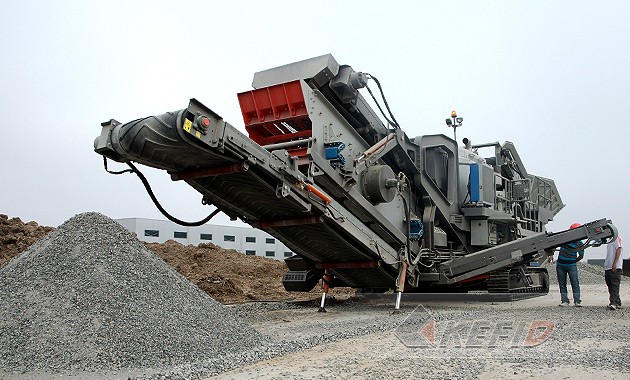
Key Areas Where Flexibility is Dramatically Improved
1. Production Flow and Circuit Adaptability:
- Quick Configuration Changes: Modern units can function as independent jaw, impact, or cone crushers, or be combined into multi-stage crushing and screening trains connected by mobile conveyors. The layout can be reconfigured in a day to switch between producing different final products (e.g., road base vs. concrete sand).
- Closed-Circuit Operation: Integrated screening and recirculating conveyors on a single chassis allow for closed-circuit crushing, enabling precise control over product size and shape in a single pass, directly at the source.
2. Material and Application Versatility:
- Processing Diverse Feedstock: A plant can easily switch between processing virgin rock, recycled concrete, asphalt, and demolition debris by simply changing crusher wear parts or adjusting settings. This allows producers to capitalize on various market opportunities.
- On-Site Recycling: For projects involving demolition, the crusher can be brought to the waste, processing it into valuable aggregate for reuse on the same site, eliminating disposal fees and creating new revenue.
3. Responsiveness to Market and Project Demands:
- Scalable Production: Capacity can be scaled up or down by adding or removing mobile units from the production line, allowing the operation to match output with market demand efficiently.
- Contract Work & Remote Sites: Enables contractors to bid on and execute smaller, remote, or temporary projects that were previously uneconomical due to the high setup cost of fixed plants.
4. Operational Efficiency and Cost Reduction:
- Dynamic Relocation: As the pit expands or the working face shifts, the crusher can be repositioned periodically (even daily) to maintain an optimal, short haul distance for excavators and wheel loaders.
- Reduced Direct Haulage Costs: This is the most significant financial benefit. By crushing at the source, the distance transported by the most expensive method (large dump trucks) is minimized. Only the processed, higher-value aggregate needs to be moved to the stockpile or loading area.
Conclusion: Transforming Fixed Assets into Dynamic Production Systems
Integrating track-mounted mobile crushers into an aggregate operation is a strategic decision to build flexibility directly into the production core. They transform a plant from a fixed, location-locked asset into a dynamic, modular production system that can chase resources, adapt to market shifts, and radically cut the most variable operating costs—material haulage.
For quarry managers and aggregate producers, this technology delivers the agility needed to operate profitably in a landscape of changing regulations, fluctuating demand, and dispersed resources. The investment translates into enhanced bidding capability for diverse projects, reduced operational risk, and a significantly lower cost per ton of produced aggregate, securing a formidable advantage in the flexible and fast-paced construction materials market.
Ready to unlock new levels of flexibility in your aggregate operation? Contact our experts to explore how a tailored track-mounted crushing solution can optimize your material flow, reduce costs, and open new business opportunities.
- > The Core Role of the Jaw Crusher as Primary Crushing Equipment
- > Advantages of Mobile Jaw Crushers in Construction Waste Recycling
- > High-Capacity Stone Vibrating Feeder: Enhancing Efficiency in Material Handling
- > How to Select the Right Liners for Cone Crusher?
- > The Role of Impact Crushers in Construction and Demolition Waste Processing
- > Efficient Material Processing with Russian Mobile Jaw Crushers
- > Mobile Crusher Plant Advantages in Frequent Multi-Site Relocation
- > Applications and Advantages of Jaw Crushers in South American Mining Operations


Online


Message