
Based on 500 hours of site data from a wet quarry in Java, the biggest threat to capital survival isn’t the upfront equipment price, but the hidden wear. When you feed 200MPa granite into a cheap primary cavity, you can literally feel the vibration through your steel-toed boots as the frame struggles to absorb the kinetic recoil. Operators often ignore these warning signs until a massive structural failure shuts down the entire site. We consistently see standard frames snap under the stress of high-silica rock, turning what should be a straightforward primary stage into a financial sinkhole.
The Engineering Reality of 200MPa Silica Impact
Standard welded frames will develop micro-fractures within 48 hours of continuous feeding on high-quartz Indonesian rock.
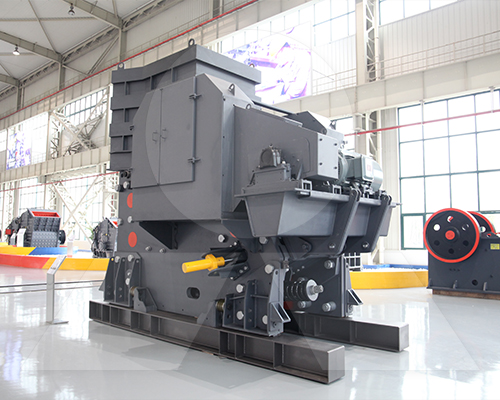
The physical feedback is undeniable. Crushing an 800mm boulder of dense basalt or granite sends a violent kinetic shockwave straight into the eccentric shaft. A cheap casting is just scrap metal waiting to happen. To handle this, the C6X125 relies on a heavy-duty bolted frame that isolates stress, allowing it to process 230-760 tph without tearing itself apart. Heavy flywheels absorb the energy spikes, but the mechanical grit of the operation remains intense.
Look at the bearing fit tolerances under these loads. The smell of scorched grease on a seized bearing is a common occurrence when operators ignore the massive thermal expansion caused by 160kW motors fighting unyielding rock. High moisture content during the monsoon season turns fine dust into a sticky industrial paste that bridges the feed hopper. This forces the toggle plates and swing jaws to grind rather than crack, accelerating degradation. You must lock down a high-capacity primary crushing circuit with proper lubrication protocols.
Arresting Manganese Wear Rates in Humid Operations
You cannot negotiate with abrasive physics; fixed jaw plates will lose 30% of their profile within a month if the nip angle is incorrectly calibrated.
The high-frequency metallic ‘ping’ of granite hitting a manganese liner tells you exactly when the material is slipping instead of fracturing. Older PE series machines often struggle here if the discharge setting is ignored. Running a C6X110 at 160-550 tph requires constant monitoring of the wedge adjustment system. If you leave a worn plate in the cavity, the machine draws more amperage to force the rock through, spiking your expenditure per shift instantly.
Don’t ignore the grease points. The physics don’t care about your production schedule. When the toggle seat fills with abrasive slurry from the rain, the friction coefficient skyrockets. Proper hydraulic tensioning keeps the swing jaw aligned, preventing uneven wear patterns. We recommend swapping the plates end-for-end before the lower corrugations are completely flattened, or you will risk damaging the main structural casting.
Field Wear Benchmarks: Synchronizing C6X110 with Abrasive Granite
- Max Feed: 720 mm
- Main Motor Power: 160 kW
- Capacity Limit: 160-550 tph
- Frame Structure: Heavy-Duty Bolted
- Adjustment System: Dual-Wedge Hydraulic
Indeks Teknis: LH-JAW-CRUSHER-FOR-GRANITE-CRUSHING-PLANT-INDONESIA-April/2026-Ref-#49201
Chief Mechanic’s Log: Addressing Bearing Seizure in Wet Granite Circuits
Why does the main shaft overheat even when lubricated? The smell of scorched grease often indicates contaminated seals. In tropical environments, fine silica dust mixes with rainwater and breaches the labyrinth seals. This paste destroys the microscopic tolerances of the main bearing, driving temperatures above safe operating limits rapidly. How often should we rotate the swing jaw plates? If you wait until the corrugations are flat, you are already losing money. Once the grip is lost, the granite slips upward, causing violent capacity drops and intense abrasive wear on the upper cavity zones. Rotate them at 40% wear. What causes the toggle plate to snap prematurely? Older PE designs relied on cast frames that couldn’t flex safely. When tramp iron or an oversized 800mm boulder enters the chamber, the toggle plate acts as a mechanical fuse. Snapping means it saved your eccentric shaft from bending. Does the monsoon season affect power draw? A 160kW motor will spike near its thermal limit when trying to crush wet, sticky fines that pack into the lower discharge gap. The lack of free-flowing discharge creates a ‘choking’ effect, forcing the machine to re-crush the same material repeatedly.
Defending Capital Equipment from Silica Abrasion
The 200MPa hardness of regional rock fundamentally alters how stress propagates through a primary crushing chamber, making standard welded frames obsolete. If you continue to deploy light-duty machines in these abrasive conditions, the eccentric shaft will suffer catastrophic fatigue failure next month, triggering massive downtime and repair costs. Stop guessing on your maintenance cycles and enforce rigid plate rotation schedules.
Stop Guessing on Toggle Plate Failures
“We map the exact vibration thresholds of your primary circuit.” — From the Desk of your Field Technical Director
- > Basic Troubleshooting of Jaw Crusher Issues
- > Jaw vs. Cone Crusher for Gold Ore: The Comminution Circuit Architecture
- > Advantages of the PF1315 Impact Crusher in Green Mine Construction
- > Impact Crushers: What Materials Are They Best Suited For?
- > Vertical Shaft Impact Crusher: The Ultimate Guide to Benefits, Applications, and Working Principles
- > How Effective Are Mobile Impact Crushers for Crushing Concrete Blocks?
- > Cone Crushers for Efficient Vermiculite Processing
- > The Versatility of Cone Crushers: Material Processing Range and Applications


Online


Message