
In the multi-stage process of mineral processing and aggregate production, selecting the right equipment for each stage is critical to maximizing efficiency, product quality, and operational economy. While jaw crushers excel at primary breaking of large feed material, the secondary and tertiary crushing stages demand a different set of capabilities. Here, Cone Crushers emerge as the dominant and most advantageous solution for producing precisely graded, cubical end products.
The Core Challenge of Intermediate Crushing
The primary objective of secondary (and tertiary) crushing is no longer just size reduction. It focuses on:
- Efficiently reducing material from 100-250mm down to sizes between 20mm and 50mm or smaller.
- Shaping the product to achieve a more cubical form, which is superior for asphalt and concrete aggregates.
- Producing consistent, well-graded fractions with minimal flaky or elongated particles.
- Operating reliably under continuous, high-load conditions with abrasive materials.
This is precisely where cone crushers are engineered to outperform other crusher types like impactors or hammer mills in many hard and abrasive rock applications.
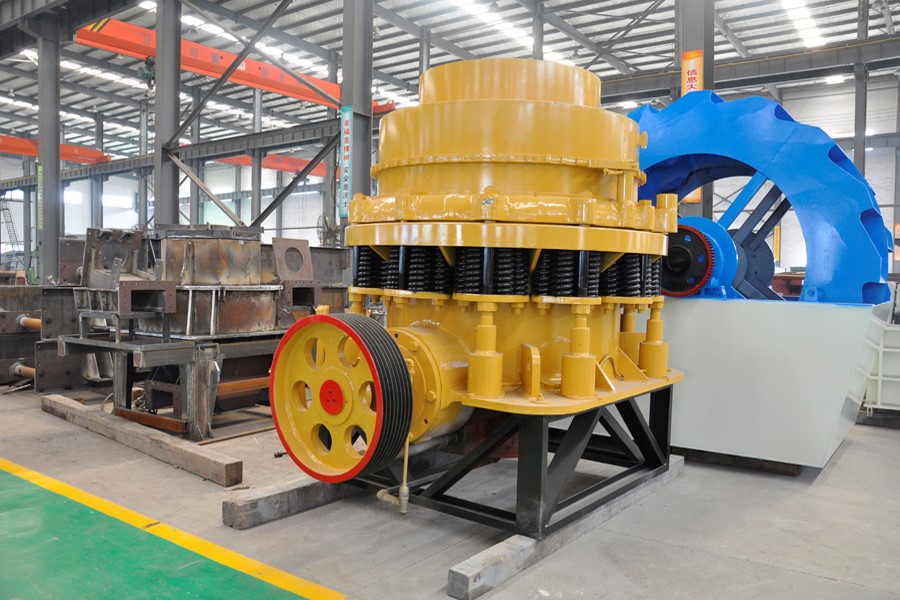
Key Advantages of Cone Crushers in Intermediate Crushing
1. Superior Efficiency and Consistent Output
Cone crushers utilize a gyrating mantle within a concave bowl, creating a continuous compression crushing action. This interparticle crushing—where rocks crush against each other as well as the liners—maximizes efficiency and wear life. The result is a high reduction ratio with a consistent, predictable product gradation that is easily adjustable by changing the crusher’s closed-side setting (CSS). This stability is crucial for feeding downstream processes like screening and milling.
2. Exceptional Product Shape and Quality
The crushing chamber design and the multi-layer crushing action produce a significantly higher percentage of cubical products compared to other methods. This optimal particle shape enhances the compaction strength of concrete and the durability of asphalt mixes, directly adding value to the final product.
3. High Capacity and Lower Operational Cost per Ton
For processing hard and abrasive materials (granite, basalt, quartzite), cone crushers typically offer a lower cost per ton in the intermediate stages. Their robust design and efficient crushing action allow for high throughput with relatively lower horsepower requirements compared to achieving similar results with other technologies. This leads to significant savings in energy and operational costs.
4. Advanced Control and Automation
Modern hydroset and hydraulic systems allow for quick, remote adjustment of the crusher setting to compensate for wear or change product size. Automation systems can optimize the crusher’s performance in real-time, regulating feed rate and power draw to maintain peak efficiency and protect the machine from overloads.
5. Reliability and Durability in Demanding Conditions
Built for continuous, heavy-duty operation, cone crushers are designed with robust components. High-quality manganese steel liners withstand severe abrasion, and comprehensive sealing systems protect critical internal bearings from dust and contaminants. This translates to high availability and uptime, minimizing production interruptions.
Positioning in the Complete Production Line
A typical crushing circuit highlights the cone crusher’s specialized role:
- Primary Crushing: A Jaw Crusher or gyratory crusher reduces blasted rock to -250mm.
- Secondary Crushing: A Cone Crusher (often set in a closed circuit with a screen) takes the primary crusher’s discharge and reduces it further to -50mm. This stage handles the most significant volume reduction after primary breaking.
- Tertiary/Fine Crushing: Another, often smaller, Cone Crusher (or sometimes an impact crusher for softer rock) further refines the material to the final product sizes (e.g., -20mm, -12mm, or -6mm), focusing on precise shaping and gradation.
- Screening: Screens separate the crushed material into specified product fractions, with oversize material being recirculated.
Conclusion: The Indispensable Workhorse for Precision Crushing
For operations focused on producing high-quality, spec-compliant aggregates or preparing finely crushed feed for mills, the cone crusher is not just an option—it is the optimal technological solution for secondary and tertiary crushing stages. Its unparalleled combination of efficiency, product control, and operational economy for medium-to-hard materials solidifies its position as the backbone of modern intermediate crushing circuits.
When the goal moves beyond simple fragmentation to controlled, high-volume production of valuable, in-spec product, the technological advantages of the cone crusher become decisive for profitability.
- > Wheeled and Tracked Cone Crushers for Primary Crushing
- > Which Impact Crusher Model Is Best for Granite Crushing?
- > Hydraulic Cone Crusher in South Africa: Optimizing Performance for Mining and Construction
- > The Operational Characteristics of Cone Crushers
- > The Role of Mobile Construction Waste Crusher in Road Renovation Projects
- > The Role of Concrete Impact Crushers in Cement Production Lines
- > Vertical Shaft Impact Crusher for Limestone Crushing in Venezuela
- > Common Issues and Solutions for Impact Crushers: A Comprehensive FAQ


Online


Message