
The mining industry in Indonesia frequently encounters the challenge of processing damp ores with high clay content. These materials tend to adhere to crushing surfaces, causing clogging in jaw crushers, reducing throughput, and increasing downtime. However, with the right approach and modifications, the robust jaw crusher remains a viable and efficient primary crushing solution. This article explores practical solutions to overcome these challenges and ensure smooth operations.
1. Understanding the Problem: Why Damp Ores Cause Clogging
Damp, clay-rich ores present specific issues in jaw crushers:
- Bridging in the Feed Hopper: The material forms arches, blocking the entry to the crushing chamber.
- Adhesion to Crusher Surfaces: Moist ore sticks to the jaw plates and chamber walls, reducing efficiency and increasing wear.
- Choking the Discharge Opening: Fine, wet particles compact and block the crusher’s output, halting production.
2. Equipment Selection and Modification Solutions
Choosing or adapting the right jaw crusher is the first line of defense.
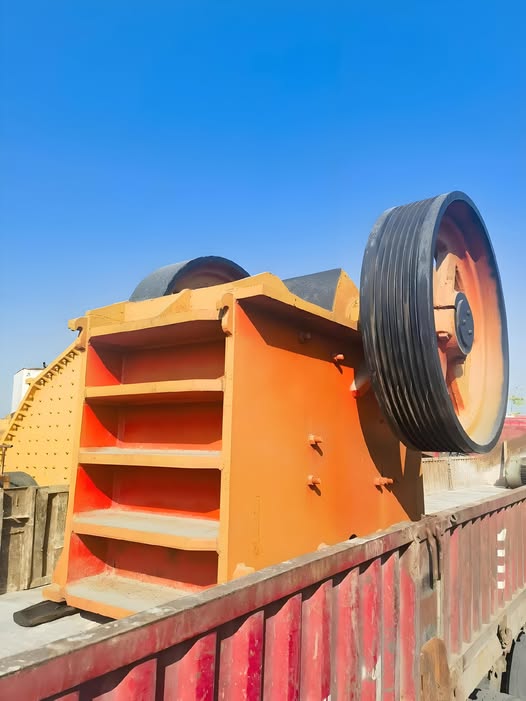
- Deep Crushing Chamber: Opt for models with a deep and steep crushing chamber. This design promotes gravity flow, helping to pull the sticky material downward and through the crusher.
- Smooth Jaw Plates: Replace standard corrugated jaw plates with smooth jaw plates. This significantly reduces the surface area for material adhesion, minimizing buildup.
- Powerful Eccentric Shaft and Drive: Ensure the crusher has a robust drive system to maintain consistent power through variable feed conditions without stalling.
- Large Discharge Opening: Maintain a wider discharge opening to facilitate the expulsion of crushed material, even when slightly compacted.
3. Operational and Process Solutions
Smart operational practices are crucial for managing damp ores.
- Pre-Screening (Scalping): The most effective solution is to install a grizzly screen or scalper before the jaw crusher. This removes the fine, wet fraction that is the primary cause of clogging.
- Controlled and Uniform Feeding: Use a regulated feeder to ensure a steady flow of material that matches the crusher’s capacity. Avoid overfilling the chamber, which exacerbates clogging.
- Regular Cleaning and Maintenance Schedule: Implement a strict routine for cleaning the feed hopper and crushing chamber to prevent the accumulation and hardening of sticky material.
4. Economic and Practical Benefits of Implementation
Adopting these solutions offers clear operational and financial advantages:
- Maximized Uptime: Reduced clogging leads to fewer unplanned stoppages, increasing overall equipment availability and production output.
- Lower Operating Costs: Efficient operation with minimal interruptions reduces labor for cleaning and maintenance, lowering the cost per ton of processed ore.
- Extended Equipment Life: Proper handling of damp ores reduces undue stress and wear on crusher components, extending their service life.
Conclusion
While damp ores in Indonesia pose a significant challenge for jaw crushers, they are not insurmountable. A combination of the right equipment features—such as a deep chamber and smooth jaw plates—coupled with intelligent operational strategies like pre-screening and controlled feeding, provides a comprehensive solution. By implementing these measures, mining operations can achieve efficient, continuous, and profitable primary crushing, turning a potential bottleneck into a reliable process.
- > Mobile Manganese Ore Crushing Plant in Zambia
- > A Deep Dive into the HST Hydraulic Cone Crusher
- > The Growing Use of Mobile Crushers in Africa
- > Tracked Mobile Jaw Crusher for Granite Crushing Plant in Indonesia
- > Vibrating Feeders in Chile: Enhancing Material Handling Efficiency in Mining and Construction
- > Single-Cylinder Cone Crusher in Iron Ore Processing
- > Optimized Ball Mill with a 50-Ton per Hour Capacity for Enhanced Ore Processing
- > Advantages of Impact Crushers for South Africa Iron Ore Processing


Online


Message