
Mobile crushers are renowned for their flexibility and rapid deployment, making them a valuable asset for quarrying, mining, and construction projects. However, their full potential is only realized when the transportation and installation processes are executed correctly and safely. Proper planning in these initial stages is crucial for preventing damage, ensuring operational efficiency, and safeguarding personnel. This article outlines the key considerations for the transportation and installation of mobile crushers.
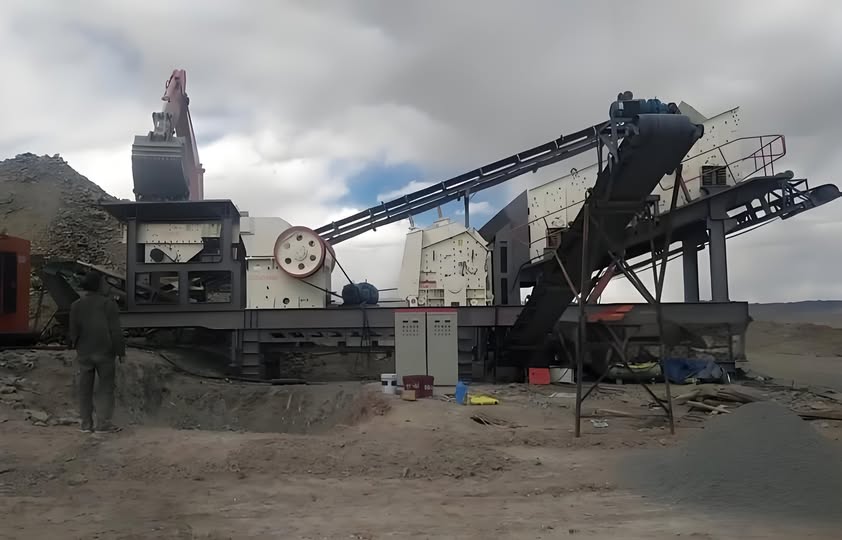
Part 1: Key Considerations for Transportation
Transporting a heavy-duty mobile crusher is a complex logistical operation.
1. Pre-Transport Inspection and Preparation
- Check Dimensions and Weight: Obtain the exact weight, width, height, and length of the unit from the manufacturer. This is critical for selecting the appropriate trailer and obtaining necessary transport permits.
- Secure Loose Components: Retract and lock all hydraulic cylinders. Fold and secure conveyors and other movable parts according to the manufacturer’s manual. Ensure all access doors and inspection hatches are closed and locked.
- Drain Fluids (if required): For long-distance transport or to meet specific regulations, it may be necessary to partially drain fuel and hydraulic fluid tanks.
2. Selecting the Right Transport Equipment
- Low-Bed Trailer: A heavy-duty low-bed trailer is typically required to handle the crusher’s weight and to keep the overall height within legal road limits.
- Adequate Capacity: Ensure the trailer’s load capacity, deck strength, and braking system are rated for the crusher’s total weight.
3. Route Planning and Permitting
- Route Survey: Carefully plan the transport route, checking for overhead obstacles (bridges, power lines), narrow roads, sharp turns, and weak bridges. A physical route survey is often recommended.
- Permits and Escorts: Obtain all necessary road transport permits from local and state authorities. Police or pilot car escorts may be required for oversized loads.
4. Loading, Securing, and Unloading
- Safe Loading Area: Use a firm, level, and stable surface for loading and unloading.
- Professional Securing: Employ certified chains, binders, and straps to securely fasten the crusher to the trailer. Pay special attention to the points specified by the manufacturer.
- Trained Operator: The loading and unloading process must be carried out by a trained and experienced machinery operator to prevent tipping or roll-off accidents.
Part 2: Key Considerations for Installation
A proper installation sets the stage for safe and productive operation.
1. Site Selection and Preparation
- Stable and Level Ground: The crusher must be positioned on a firm, level, and well-compacted substrate. An unstable foundation can lead to excessive vibration, misalignment, and premature wear.
- Adequate Working Space: Ensure there is sufficient space around the unit for safe operation, maintenance access, and material stockpiling. Consider the swing radius of feed loaders and the reach of stockpile conveyors.
- Proper Drainage: The site should have good drainage to prevent water accumulation, which can undermine the foundation and create safety hazards.
2. On-Site Setup and Stabilization
- Hydraulic Jacks and Outriggers: Extend the crusher’s hydraulic support legs or outriggers fully onto solid ground pads or timbers to provide a stable base and lift the tires off the ground.
- Check for Level: Use a spirit level on the crusher’s main frame to ensure it is perfectly level in all directions. This is critical for proper material flow and bearing life.
3. Final Checks Before Start-Up
- Remove Transport Locks: Ensure all transport locks and restraints have been removed.
- Reconnect Components: Unfold conveyors and extend any other components that were retracted for transport, ensuring they are locked in their operational position.
- Inspect for Damage: Conduct a thorough visual inspection for any damage that may have occurred during transit. Check fluid levels (hydraulic oil, engine oil, coolant) and top up if necessary.
- Review Safety Systems: Verify that all emergency stop buttons, guards, and safety interlocks are functional.
Conclusion: The Foundation for Success
The transportation and installation of a mobile crusher are critical phases that demand meticulous planning and execution. Cutting corners during these stages can lead to costly delays, equipment damage, and safety incidents. By adhering to manufacturer guidelines, employing experienced professionals, and prioritizing safety at every step, operators can ensure their mobile crusher is positioned for optimal performance, reliability, and a long service life from day one.
- > Choosing the Right Crusher for Crushing Copper Ore with a 2mm Vibrating Screen
- > Kenya’s Mobile Crusher Market: Trends, Drivers, and Opportunities
- > The Key Role of Jaw Crushers in Indonesia’s Limestone Crushing Lines
- > The Role of Vibrating Screens in Iron Ore Processing Plants
- > Mobile Crusher in Gypsum Crushing Process: Enhancing Efficiency and Flexibility
- > Common Material Blockage Issues in Vibratory Feeders: Causes, Solutions, and Prevention Tips
- > Portable Jaw Crushers for Quarry Operations in South Africa: Key Features and Benefits
- > Mobile Dolomite Cone Crushers: Revolutionizing Mining Operations in Nigeria


Online


Message