
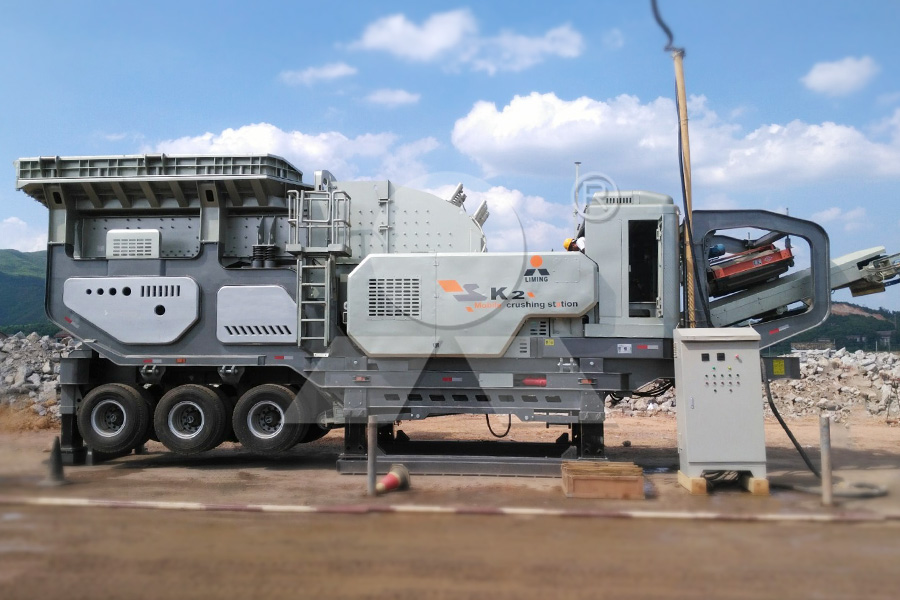
A common and critical question for contractors, startup quarry operators, and project managers considering a compact crushing solution is: “How many tons per hour can a small mobile crushing plant produce?” Understanding its capacity is key to determining if it fits your project’s scale and economic model. While “small” is relative, in the mobile crushing world, these plants typically target a production range of 30 to 300 metric tons per hour (TPH). The exact output depends on a core interplay of factors.
Defining “Small” and Key Influencing Variables
A “small” or compact mobile crushing station is characterized by its integrated design (crusher, feeder, screen on a single chassis or split into 2-3 units), easier transportability, and lower initial investment. Its final output is not a single number but a result of:
- Material Characteristics: This is the primary dictator of capacity.
- Hardness & Abrasiveness: Crushing hard, abrasive rock (e.g., granite, basalt) yields a lower TPH than processing softer material (e.g., limestone, recycled concrete).
- Feed Size: The maximum rock size entering the crusher directly impacts throughput.
- Moisture & Clay Content: Sticky materials can cause clogging and reduce effective processing speed.
- Desired End Product Specification:
- Final Product Size: Producing finely crushed sand (0-5mm) requires more energy and passes than making base course aggregate (20-40mm), often resulting in a lower throughput.
- Gradation Requirements: The need for multiple, precisely defined product fractions may necessitate a closed-circuit design with a return conveyor, which can affect the net output of finished product.
- Crusher Type and Configuration: The heart of the plant defines its capability.
- Mobile Jaw Crusher (for primary crushing): A small mobile jaw plant might process 50-250 TPH, depending on model and feed.
- Mobile Cone Crusher (for secondary crushing): Excellent for quality aggregates, with smaller models producing 100-300 TPH.
- Mobile Impact Crusher (for versatile primary/secondary): Ideal for softer rock and recycling, with capacities often ranging from 100-350 TPH, also producing great cubical shape.
- Mobile Screen & Closed-Circuit Plants: A plant with a screening unit and return conveyor (closed circuit) ensures on-spec product but may have a slightly lower net finished output compared to an open-circuit unit’s total throughput.
Typical Capacity Scenarios by Application
To give practical context, here are common estimates:
- Processing Recycled Concrete & Asphalt (C&D Waste): A small mobile impact crusher is highly efficient here. You can expect 100-250 TPH, depending on pre-sorting, impurity content, and desired final product size.
- Small Limestone or Soft Rock Quarry: A compact mobile jaw-and-cone combo or a large impactor setup can reliably achieve 150-300 THP for producing base materials and aggregates.
- Contract Crushing & On-Site Processing: For a contractor needing to process excavated rock on various job sites, a single chassis mobile jaw or impact crusher producing 80-200 TPH offers the perfect balance of mobility and output.
The Flexibility Advantage Over Fixed “Ton-per-Hour” Rates
The true value of a small mobile plant isn’t just a maximum capacity figure, but its operational flexibility:
- Right-Sizing: You deploy a plant matching your specific project’s average daily requirement, avoiding the high capex of an oversized fixed plant.
- Move to the Material: Eliminating long haul distances between the face and the crusher significantly boosts effective system productivity, even if the crusher’s rated TPH is moderate.
- Multi-Site Utilization: Its capacity can be leveraged across multiple projects per year, improving the overall return on investment.
Conclusion: Matching Capacity to Your Real-World Needs
When asking about the capacity of a small mobile crushing station, focus on your specific material, product goals, and operational context. A well-chosen compact plant in the 30-300 TPH range can be far more productive and profitable for small to medium-scale operations than a stationary plant with a higher nominal capacity.
Ready to define your exact requirements? The most accurate way is to consult with an expert and provide your material details. Contact us today for a free capacity estimation and plant configuration tailored to your project. We’ll help you select the model that delivers the optimal tons per hour for your budget and site conditions.
- > High-Performance Vibrating Feeders in Nigeria
- > Mobile Jaw Crusher for Copper Ore Processing in Ukraine: Enhancing Efficiency and Flexibility
- > Application of Vibrating Screens in Civil Construction
- > The Application of Cone Crushers in Iron Ore Crushing
- > What Terrain is Suitable for Wheel-Mounted Mobile Crushing Plants?
- > Should an Impact Crusher or a Cone Crusher be used for crushing river pebbles into sand?
- > Advantages of Cone Crushers Over Jaw Crushers
- > Cone Crusher vs. Impact Crusher in Quarry Operations: A Key Equipment Comparison


Online


Message