
Traditional river regulation and ecological restoration projects have long faced a dual challenge: sourcing high-quality aggregates for embankments and structures while minimizing environmental disruption from quarrying and transportation. The advent of Mobile Sand Making Plants (Mobile VSI Crushers) is revolutionizing this field. By enabling on-site, in-situ processing of riverbed materials like pebbles and gravel, these mobile units offer an efficient, sustainable, and cost-effective solution for modern water conservancy engineering.
I. Why Mobile Sand Makers Are Ideal for River Regulation
River regulation projects—including levee reinforcement, bank protection, and channel dredging—often involve the handling of massive volumes of excavated or locally sourced stone. Mobile sand makers align perfectly with the core demands of such projects:
- On-Site Processing, Zero Transport Cost: The most significant advantage. Instead of hauling dredged riverbed pebbles to a distant fixed plant and transporting processed sand back, a mobile plant can be stationed directly at the worksite. This eliminates double-handling, dramatically reduces truck traffic, fuel consumption, and associated carbon emissions.
- Transforming Waste into Resource: Excavated riverbed materials (pebbles, cobbles) are often considered waste or low-value fill. A mobile VSI crusher can process this “waste” into high-quality, well-graded manufactured sand and aggregates on the spot, ready for immediate use in concrete for sluice gates, mortar for revetment, or filter layers.
- Unmatched Flexibility and Rapid Deployment: Projects often span long distances or are located in remote areas. Track-mounted mobile sand makers can move along the riverbank as work progresses, ensuring a continuous supply of materials exactly where they are needed. Setup time is minimal compared to building a fixed processing base.
- Environmental Compliance and Reduced Impact: On-site processing minimizes land occupation for stockpiling and reduces dust and noise pollution spread across transport routes. It also prevents the landscape damage associated with opening new quarries for aggregate sourcing.
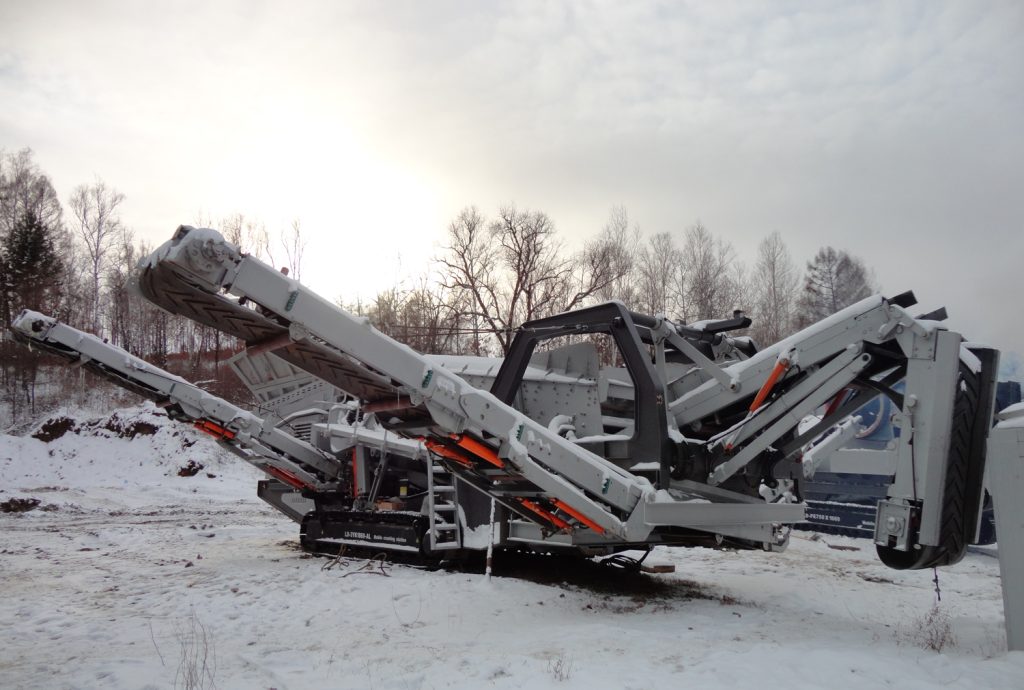
II. Core Applications in River Regulation Work
- Embankment and Levee Construction: Produces consistent, cubical sand and aggregates for structural concrete and fill materials used in building or reinforcing dykes and flood defense walls.
- Bank Revetment and Slope Protection: Manufactures the specific aggregate sizes needed for gabion boxes, riprap, or concrete mattresses used to stabilize riverbanks against erosion.
- Dredging and Channel Deepening Support: Processes dredged gravel and pebbles into usable materials, solving the problem of disposal and creating value from the dredged spoil.
- Ecological Restoration Projects: Produces aggregates for creating fish habitats, constructing engineered logjams, or building naturalized bed and bank structures.
III. Typical Workflow On-Site
A standard operational setup involves:
- Material Sourcing: Excavators dredge or load riverbed pebbles and gravel (typically 0-200mm in size).
- Feeding: The raw material is fed into the Mobile Sand Making Plant. An integrated or separate mobile jaw crusher may be used for primary reduction if the feed size is very large.
- Sand Making & Shaping: The core Mobile Vertical Shaft Impact (VSI) Crusher crushes the pebbles. Its rock-on-rock or rock-on-iron principle ensures the production of cubical, low-cleft manufactured sand, ideal for construction.
- Screening & Washing (Optional): An onboard or separate mobile screen classifies the output into sand (0-5mm) and various aggregate fractions (e.g., 5-10mm, 10-20mm). A sand washer attachment can remove silt and clay if necessary for high-specification concrete.
- Direct Utilization: The finished sand and aggregates are conveyed directly to the mixing plant or stockpiled at the point of use on the project site.
IV. Key Considerations for Successful Deployment
- Feed Material Analysis: Testing the hardness and abrasiveness of the river gravel is crucial to select the appropriate VSI rotor, wear parts, and production expectations.
- Moisture Content: Wet, sticky material can challenge screening efficiency; choosing models with appropriate deck configurations or spray systems is important.
- Regulatory Permits: Even for mobile units, ensuring all necessary environmental and operational permits for on-site processing are secured is essential.
- Fines Management: Implementing water recycling systems or silt ponds may be required to manage process water and fine sediments responsibly.
V. Conclusion: Building Resilient Rivers with Smart Technology
The integration of Mobile Sand Making Plants into river regulation represents a paradigm shift towards more sustainable and intelligent infrastructure development. It turns a linear “extract, transport, dispose” model into a circular, on-site “process and reuse” system.
For government agencies, environmental engineers, and contractors, this technology is not merely a piece of crushing equipment. It is a strategic tool for reducing project costs, minimizing environmental footprint, ensuring a reliable material supply, and accelerating project timelines. In the vital mission of building safer, more resilient waterways, mobile sand makers are proving to be an indispensable ally.
- > Mobile Jaw Crusher: What Types of Rocks Are Suitable for Crushing?
- > Advantages of Mobile Jaw Crusher in Construction Waste Recycling
- > The Growing Use of Mobile Crushers in Africa
- > The Application of Vertical Roller Crushers in the Cement Industry
- > High-Efficiency Vibrating Feeder for a 50 TPH Stone Production Line: Essential for Consistent Material Flow
- > High-Efficiency 1000 TPH Mobile Limestone Crusher in South Africa
- > The Role of Gyratory Crushers in Metallurgical Processes
- > Portable Cone Crushers in Costa Rica: A Key to Efficient Crushing Solutions


Online


Message