
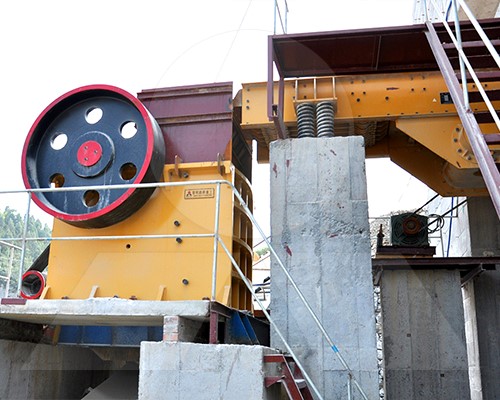
The jaw crusher, as a primary crushing equipment, is fundamental to any mining or aggregate production line. Its robust design allows it to handle the toughest materials, but like any heavy-duty machinery, it is prone to certain common faults. Understanding these issues and their corresponding maintenance procedures is crucial for minimizing unplanned downtime, reducing repair costs, and extending the equipment’s service life. This guide provides a practical overview of typical problems and how to address them effectively.
1. Abnormal Noise and Vibration
- Fault Phenomenon: Loud knocking or metallic impact sounds, accompanied by noticeable machine vibration.
- Potential Causes:
- Loose foundation bolts or fixing bolts for the crusher.
- Worn or loose toggle plate.
- Broken or heavily worn jaw plates, causing metal-to-metal contact.
- Foreign objects (e.g., tramp iron) in the crushing chamber.
- Maintenance Procedure:
- Immediate Shutdown: Stop the crusher and lock out the power source immediately.
- Inspection: Check the tightness of all bolts and the condition of the toggle plate and jaw plates.
- Clear Chamber: Remove any uncrushable material from the crushing chamber.
- Replacement: Tighten or replace all loose or broken parts. Ensure jaw plates are properly seated and fastened.
2. Sharp Drop in Production Capacity
- Fault Phenomenon: The output volume of crushed material decreases significantly, or the product size becomes inconsistent.
- Potential Causes:
- The wearing parts (jaw plates) are severely worn, reducing crushing efficiency.
- The discharge opening is set too narrowly.
- Material feeding is uneven, or the crusher is experiencing “choke feeding”.
- Low motor power output.
- Maintenance Procedure:
- Check Jaw Plates: Measure the thickness of the jaw plates. Replace them if wear exceeds the manufacturer’s recommended limit.
- Adjust Discharge Setting: Check and readjust the discharge opening to the required size according to the manual.
- Optimize Feeding: Ensure a consistent and even feed rate, avoiding overloading the crusher’s cavity.
3. Excessive Wear of Jaw Plates
- Fault Phenomenon: The fixed and movable jaw plates wear out quickly, leading to poor product shape and low output.
- Potential Causes:
- Processing highly abrasive materials.
- Asymmetric wear due to uneven feeding.
- The jaw plates have been used beyond their service life.
- Maintenance Procedure:
- Regular Rotation: Periodically rotate the jaw plates to utilize different wear zones and extend their lifespan.
- Even Feeding: Center the feed material to distribute wear evenly across the plates.
- Timely Replacement: Do not wait until the plates are completely worn out. Plan replacements based on operational hours and material abrasiveness.
4. Overheating of the Bearings
- Fault Phenomenon: The bearing housing becomes too hot to touch, often triggering an alarm.
- Potential Causes:
- Insufficient or degraded lubricant.
- Contaminated grease (e.g., with dust or metal particles).
- Over-tightened belts causing excessive radial load.
- Bearing failure or improper installation.
- Maintenance Procedure:
- Check Lubrication: Immediately stop the machine and allow it to cool. Check the grease level and quality.
- Re-lubricate/Purge: Purge old grease and replenish with the correct type and amount of clean, high-quality lubricant as specified in the manual.
- Inspect Belts and Seals: Check V-belt tension and the condition of bearing seals. Replace if necessary.
5. The Flywheel Rotates but the Movable Jaw Doesn’t Move
- Fault Phenomenon: The motor and flywheel are running, but the crushing action has stopped.
- Potential Causes:
- The toggle plate has broken, often as a safety measure to protect other components from more severe damage.
- Sheared tension rods or bolts.
- Maintenance Procedure:
- Shutdown and Inspect: This is a major fault requiring a full shutdown.
- Replace Toggle Plate: Identify and replace the broken toggle plate. This is a designed weak link.
- Check Related Parts: Inspect the tension rods, springs, and other related components for damage and replace them if needed.
Proactive Maintenance is Key
Preventing these common faults is always better than repairing them. A proactive maintenance schedule should include:
- Daily Inspections: Check for unusual noise, vibration, and oil leaks.
- Weekly Checks: Inspect jaw plate wear and the tightness of key bolts.
- Regular Lubrication: Follow the manufacturer’s lubrication schedule meticulously.
- Record Keeping: Maintain a log of all inspections and maintenance activities.
Conclusion
Understanding the common faults and maintenance procedures for jaw crushers is essential for any operation relying on this critical equipment. By recognizing the early signs of trouble—such as abnormal noise, reduced output, or overheating—and executing the correct maintenance procedures promptly, operators can ensure their jaw crusher delivers reliable, efficient, and continuous performance, safeguarding their production targets and operational budget.
- > Impact Crusher: Suitable Materials and Key Characteristics
- > Impact Crushers for Shaping Construction Aggregates
- > The Role of Vibrating Feeders in Artificial Sand Production: Enhancing Efficiency and Output
- > How to Select the Right Jaw Crusher Model Based on Ore Hardness
- > Cone Crushers in Malaysia: Enhancing Efficiency in Mineral Processing and Construction
- > Hydraulic Cone Crusher in South Africa: Optimizing Performance for Mining and Construction
- > Jaw Crusher for Hard Rock Crushing in Tunnel Construction
- > Vibrating Screens for Crushed Stone and Gravel Processing: Equipment for Crushing and Screening Aggregates


Online


Message