
River gravel is a valuable resource for construction, but its high clay content can pose significant challenges for crushing equipment. Sticky clay can clog the crusher, reduce throughput, and contaminate the final product. Many operators wonder if a robust jaw crusher can effectively handle this difficult material. The answer is yes, but it requires the right machine features and operational strategies to ensure success.
Key Challenges of High-Clay Material and Jaw Crusher Design
Clay is cohesive and adhesive, leading to material build-up in the crushing chamber and on vibrating screens. However, specific design elements in modern jaw crushers make them suitable for this task.
- Deep Crushing Chamber: A deep chamber allows for better movement of the sticky material through the crusher, reducing the chance of bridging or packing.
- Aggressive Toggle and Kinematics: The right jaw crusher will have an aggressive crushing motion and a large feed opening, which helps in “grabbing” and breaking the clay-bound lumps rather than just smearing the clay.
- Effective Discharge Setting: A sufficiently wide closed-side setting (CSS) can be used to prevent the chamber from getting too tight, allowing the material to exit more freely even when mixed with clay.
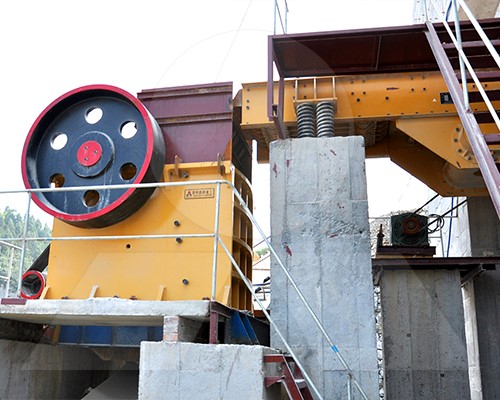
Pre-Crushing and Operational Strategies to Prevent Clogging
The key to success often lies not just in the crusher itself, but in the preparation and operational techniques.
- Pre-Screening is Crucial: Using a scalping screen (grizzly) before the jaw crusher is the most effective strategy. This removes a significant portion of the fine clay and sand, allowing only the larger, rocky material to enter the crusher. This dramatically reduces the feed’s overall stickiness.
- Manage Material Moisture: While not always possible with river gravel, processing the material during drier periods or allowing it to drain can reduce its moisture content, making it less sticky.
- Sequential Feed Control: Avoid dumping a large volume of material into the crusher at once. A controlled, steady feed rate allows the crusher to process the material without becoming overwhelmed and clogged.
Maintenance and Versatility for Consistent Output
Handling abrasive rock mixed with clay increases wear, so maintenance and the right configuration are paramount.
- Robust Wear Parts: Ensure the jaw plates are made from high-quality, abrasion-resistant manganese steel to withstand the combined abrasive (rock) and adhesive (clay) wear.
- Easy Maintenance Access: Choose a jaw crusher designed for quick and easy maintenance. Easy access to the crushing chamber for cleaning and faster jaw plate replacement minimize downtime.
- Versatility in Circuit Design: In a full crushing circuit, the jaw crusher acts as the reliable primary. The secondary crusher (like a cone or impact crus) and screens then further refine the product and separate the remaining clay.
Conclusion: A Feasible Solution with the Right Approach
In conclusion, a jaw crusher is a capable and effective primary crusher for processing clay-rich river gravel, provided the correct measures are taken. By selecting a crusher with a suitable design, implementing essential pre-screening, and adopting smart operational practices, you can overcome the challenges of sticky material. This approach ensures high productivity, minimizes downtime for cleaning, and delivers a cleaner, more valuable aggregate product for your project.
- > Versatile Mobile Vibrating Screen for Rock Crusher Applications
- > High-Efficiency Jaw Crusher for 500 Tons Per Hour: Applications and Benefits
- > Mobile Jaw Crusher and Rock Crusher Inquiry
- > Impact Crusher: The Best Equipment for Efficient Concrete Recycling
- > How a Mobile Impact Crusher Revolutionized On-Site Concrete Recycling
- > The Role of Vibrating Screens with Belt Conveyors
- > Jaw Crusher for Mining Stone Crushing
- > Optimizing Raw Material Grinding Size and Feed Capacity in Ball Mills


Online


Message