
Jaw crushers are the workhorses of primary crushing in mining, quarrying, construction, and recycling operations. They are built to handle some of the toughest materials on earth—but that durability comes with an ongoing financial commitment. Understanding jaw crusher maintenance costs is essential for anyone planning to buy, lease, or operate this equipment, because the purchase price is only part of the total cost of ownership.
In this guide, we break down what drives jaw crusher maintenance costs, realistic price ranges, and how to keep your maintenance budget under control.
Why Jaw Crusher Maintenance Costs Matter
A jaw crusher typically represents a significant capital investment, often ranging from $50,000 to over $1 million depending on size and configuration. However, over its service life, maintenance can account for 20% to 40% of the total cost of ownership. Ignoring these costs during the purchasing decision can lead to unpleasant surprises, unplanned downtime, and reduced profitability.
For quarry and mining operators, every hour of downtime can mean thousands of dollars in lost production. That’s why maintenance planning isn’t just a technical issue—it’s a financial one.
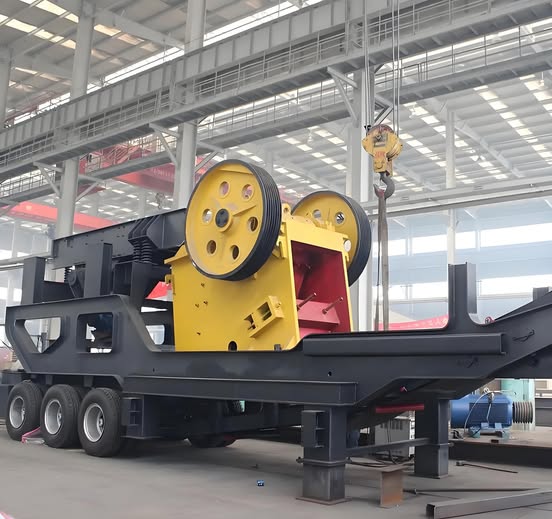
Main Components That Drive Maintenance Costs
1. Jaw Plates (Manganese Liners)
Jaw plates are the most frequently replaced wear part. Depending on the material being crushed—abrasive rock like granite versus softer limestone—jaw plates may need replacement every 500 to 2,000 operating hours.
- Cost range: $1,500 to $8,000+ per set, depending on crusher size and manganese grade
- Tip: Choosing the right manganese profile (standard, corrugated, or tooth profiles) can extend wear life significantly
2. Bearings
Jaw crusher bearings endure enormous radial and thrust loads. While quality bearings can last years with proper lubrication, neglect leads to premature failure.
- Cost range: $2,000 to $15,000+ per bearing set, plus labor
- Tip: Regular grease or oil analysis helps detect contamination before damage occurs
3. Toggle Plates and Seats
Toggle plates are designed to fail first—acting as a safety fuse that protects more expensive components. That means they’re a recurring cost.
- Cost range: $500 to $3,000 per replacement
- Tip: Keep spare toggle plates on site to minimize downtime
4. Cheek Plates
Cheek plates protect the crusher frame from wear. They typically last longer than jaw plates but still require periodic replacement.
- Cost range: $800 to $4,000 per set
5. Lubrication and Consumables
Grease, oil, filters, and seals are small line items individually, but they add up.
- Annual cost range: $1,000 to $10,000+, depending on crusher size and operating intensity
6. Labor
If you perform maintenance in-house, labor may be absorbed into operational costs. If you rely on OEM service technicians or third-party specialists, expect to pay $75 to $200+ per hour, plus travel and mobilization fees in remote locations.
Typical Annual Jaw Crusher Maintenance Cost Ranges
| Crusher Size | Annual Maintenance Cost (Estimate) |
|---|---|
| Small (e.g., 10″ x 16″ to 16″ x 24″) | $3,000 – $15,000 |
| Medium (e.g., 24″ x 36″ to 30″ x 42″) | $15,000 – $50,000 |
| Large (e.g., 42″ x 48″ and above) | $50,000 – $150,000+ |
Note: These figures vary widely based on feed material abrasiveness, throughput, operating hours, and maintenance practices.
Factors That Increase Jaw Crusher Maintenance Costs
Several variables can push your maintenance budget higher than expected:
- Highly abrasive feed material – Crushing granite, basalt, or slag wears liners far faster than limestone or concrete.
- Improper feed size – Oversized feed causes excessive stress on components.
- Inconsistent feed rate – Surges and starvation both accelerate wear.
- Poor lubrication practices – The leading cause of premature bearing failure.
- Deferred maintenance – Small issues become major failures when ignored.
- Harsh operating environment – Dust, extreme temperatures, and moisture all take a toll.
- Operator error – Unskilled operation leads to unnecessary wear and damage.
How to Reduce Jaw Crusher Maintenance Costs
The good news: maintenance costs are not fixed. With the right strategy, you can significantly reduce them.
Implement a Preventive Maintenance Schedule
Follow the manufacturer’s recommended inspection intervals. Daily, weekly, and monthly checks catch problems before they become expensive.
Monitor Wear Rates
Track jaw plate wear and replace liners at the optimal point—not too early (wasting material) and not too late (risking frame damage).
Use the Right Wear Parts
Cheaper aftermarket parts may save money upfront but often wear faster, costing more over time. Quality manganese and proper alloy selection matter.
Train Your Operators
Proper feeding, avoiding bridging, and recognizing abnormal sounds or vibrations can prevent catastrophic failures.
Invest in Condition Monitoring
Vibration analysis, thermography, and oil analysis provide early warnings of bearing and drive issues.
Keep Critical Spares on Hand
Stocking jaw plates, toggle plates, and bearings reduces downtime and avoids expedited shipping costs.
Consider a Maintenance Contract
For operators without in-house expertise, an OEM or dealer maintenance agreement can be cost-effective and provide predictable budgeting.
Jaw Crusher Maintenance Costs vs. Replacement
At some point, operators face a decision: keep repairing or replace the crusher? As a general rule, if annual maintenance costs exceed 30% to 40% of the cost of a new machine, replacement may be more economical—especially when factoring in downtime and lost production.
Frequently Asked Questions
How much does it cost to maintain a jaw crusher annually?
Annual maintenance costs typically range from $3,000 for small units to over $150,000 for large primary crushers, depending on usage and material.
What is the most expensive jaw crusher part to replace?
Bearings and eccentric shaft assemblies are among the most expensive components, often costing $10,000 or more including labor.
How often should jaw plates be replaced?
Every 500 to 2,000 hours, depending on feed abrasiveness and crusher settings.
Can I reduce jaw crusher maintenance costs?
Yes—through preventive maintenance, proper operator training, quality wear parts, and condition monitoring.
Final Thoughts
Jaw crusher maintenance costs are a critical part of the total cost of ownership, and smart operators treat them as a planned expense rather than an unpredictable burden. By understanding what drives these costs and implementing a proactive maintenance strategy, you can extend equipment life, minimize downtime, and protect your bottom line.
Whether you’re evaluating a new purchase or managing an existing fleet, budgeting realistically for jaw crusher maintenance is one of the smartest decisions you can make.
Looking for more equipment cost guides and maintenance tips? Explore our related articles on cone crusher upkeep, screening plant maintenance, and total cost of ownership for crushing equipment.
- > Efficient Handling of Gravel and Crushed Stone: The Role of Cone Crushers
- > Mobile Gold Ore Crushers in Malaysia
- > Utilizing Ball Mills for Limestone Crushing: Efficiency and Applications
- > The Indispensable Role of a Jaw Crusher in Railway Ballast Production
- > The Role of Mobile Crushers in Bridge Construction
- > Popular High-Efficiency Sand Washing Machine in the Philippines
- > Highly Recommended Impact Crusher for Stone Crushing
- > Portable Dolomite Cone Crusher in Indonesia: A Flexible Solution for Efficient Crushing


Online


Message