
Bridge construction is a complex and large-scale engineering project that requires high-quality construction materials, efficient construction processes, and flexible equipment to ensure the project progresses smoothly and meets design standards. Among the key equipment in bridge construction, mobile crushers have emerged as indispensable tools, revolutionizing the way construction materials are processed on-site. Unlike fixed crushing equipment, mobile crushers offer unparalleled mobility, flexibility, and efficiency, making them ideal for the dynamic and often remote environments of bridge construction sites. This article explores in detail the role of mobile crushers in bridge construction, their core advantages, practical applications, and how they contribute to the success of bridge projects.
Bridge construction relies heavily on high-quality aggregates, such as crushed stone, gravel, and sand, which are essential for concrete mixing, foundation construction, and subgrade reinforcement. Traditionally, construction companies would transport aggregates from off-site crushing plants to the bridge site, which often involves high transportation costs, long delivery times, and potential delays due to traffic, weather, or logistical issues. Mobile crushers eliminate these challenges by bringing the crushing process directly to the construction site, allowing for on-demand production of aggregates tailored to the specific needs of the bridge project. This not only improves construction efficiency but also ensures the quality and consistency of the materials used.
Key Requirements of Aggregates in Bridge Construction
Before delving into the role of mobile crushers, it is crucial to understand the specific requirements of aggregates in bridge construction, as these requirements directly influence the choice of equipment:
- High Quality and Uniformity: Aggregates used in bridge construction must have a uniform particle size, high strength, and low impurity content to ensure the durability and load-bearing capacity of concrete structures. For example, aggregates used in bridge piers and beams must meet strict standards to withstand heavy loads and harsh environmental conditions.
- On-Demand Production: Bridge construction projects often have varying aggregate needs at different stages (e.g., foundation work requires coarse aggregates, while concrete mixing requires fine aggregates). Equipment must be able to adjust production quickly to meet these changing demands.
- Flexibility in Location: Bridge construction sites are often located in remote areas, near rivers, or in urban environments with limited space. Equipment must be mobile and compact to navigate tight spaces and access hard-to-reach areas.
- Cost-Efficiency: Controlling construction costs is a top priority for any bridge project. Equipment that reduces transportation costs, minimizes material waste, and improves work efficiency can significantly lower overall project costs.
Mobile crushers are designed to meet all these requirements, making them a perfect fit for bridge construction projects of all sizes and types.
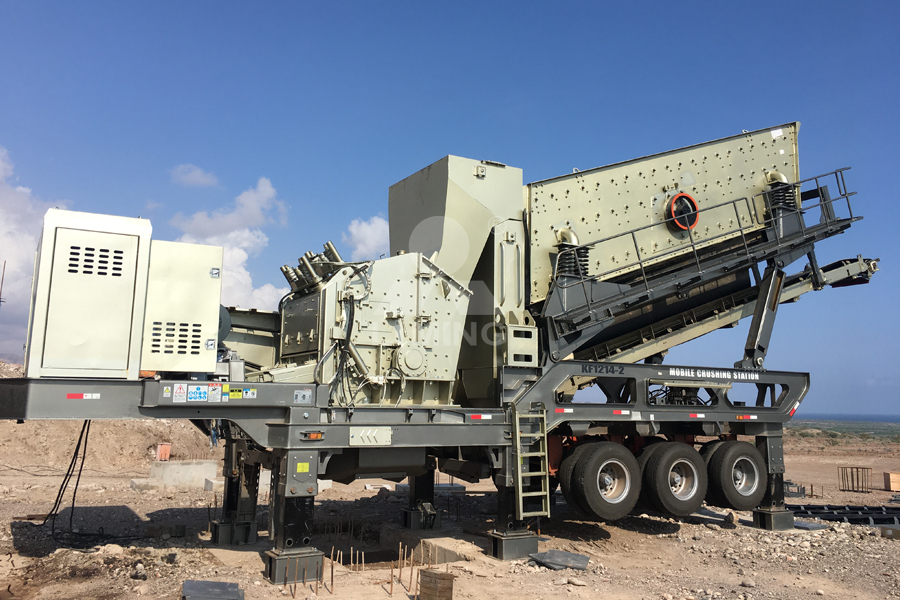
The Core Role of Mobile Crushers in Bridge Construction
Mobile crushers play a multifaceted and critical role in bridge construction, from material processing to site optimization. Their key roles include:
- On-Site Aggregate Production: The primary role of mobile crushers in bridge construction is to produce high-quality aggregates on-site from raw materials such as rocks, concrete debris, or asphalt. This eliminates the need for transporting aggregates from off-site plants, reducing transportation costs by 30-50% and avoiding delays caused by logistical issues. For example, in the construction of a bridge over a river, mobile crushers can process rocks extracted from the riverbank directly on-site, providing a steady supply of aggregates for concrete mixing and foundation work.
- Waste Recycling and Sustainability: Bridge construction often generates a large amount of construction waste, such as concrete debris, old asphalt, or broken rocks. Mobile crushers can recycle this waste into reusable aggregates, reducing environmental pollution and promoting sustainable construction practices. Recycled aggregates can be used for subgrade reinforcement, backfilling, or even as a component in new concrete, lowering the project’s carbon footprint and reducing the need for natural resources.
- Flexibility to Adapt to Project Stages: Bridge construction involves multiple stages, each with different aggregate requirements. Mobile crushers can be easily adjusted to produce different sizes of aggregates (from coarse to fine) by changing the crushing settings, making them suitable for all stages of the project. For instance, during the foundation stage, coarse aggregates are needed for subgrade stabilization, while fine aggregates are required for concrete beams and slabs during the superstructure stage.
- Improving Construction Efficiency: Mobile crushers operate continuously, ensuring a steady supply of aggregates without interrupting the construction process. Unlike fixed crushing plants, which require time-consuming installation and dismantling, mobile crushers can be moved to different areas of the site quickly, reducing downtime and accelerating project progress. In large-scale bridge projects, multiple mobile crushers can work simultaneously to meet high aggregate demand, further improving efficiency.
- Access to Remote and Restricted Areas: Many bridge construction sites are located in remote or hard-to-reach areas, such as mountainous regions or urban centers with narrow roads. Mobile crushers, especially tracked mobile models, can navigate rough terrain, steep slopes, and tight spaces, providing aggregate production capabilities where fixed equipment cannot reach. This is particularly valuable for bridge projects in rural areas or areas with limited infrastructure.
- Ensuring Material Quality Control: By producing aggregates on-site, construction companies can closely monitor the quality of the materials, ensuring they meet the project’s design standards. Mobile crushers are equipped with advanced screening systems that separate impurities and ensure uniform particle size, resulting in high-quality aggregates that enhance the strength and durability of the bridge structure.
Types of Mobile Crushers Used in Bridge Construction
Different types of mobile crushers are used in bridge construction, depending on the project’s needs and the type of raw materials being processed. The most common types include:
- Mobile Jaw Crushers: Ideal for primary crushing of large rocks and concrete debris, mobile jaw crushers are used in the early stages of bridge construction to reduce raw materials to a manageable size. They are robust, easy to operate, and suitable for processing hard materials such as granite and basalt.
- Mobile Cone Crushers: Used for secondary and tertiary crushing, mobile cone crushers produce fine, uniform aggregates suitable for concrete mixing and other high-quality applications. They are particularly effective for processing hard and abrasive materials, making them ideal for bridge projects that require high-strength aggregates.
- Mobile Impact Crushers: These crushers use impact force to break down materials, producing cubical aggregates with excellent particle shape. They are often used for processing softer materials such as limestone and are suitable for projects that require high-quality fine aggregates.
- Mobile Screen Crushers: Equipped with integrated screening systems, these crushers can crush and screen materials in a single step, producing multiple sizes of aggregates simultaneously. They are highly efficient and suitable for projects with diverse aggregate needs.
Practical Case Study: Mobile Crushers in a Highway Bridge Project
To illustrate the effectiveness of mobile crushers in bridge construction, let’s consider a case study of a highway bridge project in the United States, where mobile crushers played a key role in ensuring project success:
The project involved the construction of a 2-mile-long highway bridge over a rural valley, requiring a large volume of high-quality aggregates for concrete piers, beams, and subgrade reinforcement. The construction site was located in a remote area with limited access to off-site aggregate plants, making transportation of aggregates costly and time-consuming. The construction company deployed three mobile crushers (one jaw crusher for primary crushing and two cone crushers for secondary and tertiary crushing) to process rocks extracted from a nearby quarry directly on-site.
By using mobile crushers, the company achieved the following results:
- Reduced transportation costs by 40%, saving over $500,000 on the project.
- Ensured a steady supply of high-quality aggregates, eliminating delays caused by transportation issues.
- Recycled over 1,000 tons of construction waste (concrete debris from old bridge structures) into reusable aggregates, reducing environmental impact.
- Accelerated the project timeline by 15%, completing the bridge construction three months ahead of schedule.
This case study demonstrates how mobile crushers can significantly improve the efficiency, cost-effectiveness, and sustainability of bridge construction projects.
Tips for Maximizing the Performance of Mobile Crushers in Bridge Construction
To fully leverage the benefits of mobile crushers in bridge construction, consider the following tips:
- Choose the Right Type of Mobile Crusher: Select a crusher that matches the project’s aggregate needs, raw material type, and site conditions. For example, use a jaw crusher for primary crushing of hard rocks and a cone crusher for fine aggregate production.
- Perform Regular Maintenance: Regularly inspect and maintain the crusher to ensure it operates at peak efficiency. This includes checking for wear and tear on crushing components, lubricating moving parts, and cleaning the screening system.
- Optimize Crushing Settings: Adjust the crusher’s settings to produce the desired aggregate size and shape, ensuring the materials meet the project’s design standards. Regularly test the aggregate quality to make necessary adjustments.
- Plan the Site Layout: Position the mobile crusher in a location that minimizes transportation within the site and allows for easy access to raw materials and construction areas. This reduces downtime and improves overall efficiency.
Conclusion
Mobile crushers have become an essential tool in bridge construction, offering unparalleled flexibility, efficiency, and cost-effectiveness. Their ability to produce high-quality aggregates on-site, recycle construction waste, and adapt to changing project needs makes them a game-changer for bridge construction projects of all sizes. By eliminating the need for off-site aggregate transportation, mobile crushers reduce costs, accelerate project timelines, and promote sustainable construction practices.
As bridge construction projects become more complex and demanding, the role of mobile crushers will only grow in importance. Whether it’s a small rural bridge or a large-scale urban highway bridge, mobile crushers provide the flexibility and efficiency needed to ensure project success. For construction companies looking to improve their bridge construction processes, investing in mobile crushers is a strategic decision that delivers long-term value.
If you’re planning a bridge construction project and need reliable, efficient equipment to meet your aggregate needs, mobile crushers are the ideal solution, combining advanced technology with practical functionality to help you achieve your project goals.
- > Copper Mining Process: Complete Equipment Guide and Solutions
- > Efficient 100-150 TPH Cone Crusher for Nickel Laterite Ore Processing
- > Vertical Shaft Impact Crusher for Granite Sand Making
- > VSI Crusher Configuration Guide for a Manufactured Sand Production Line
- > How to Choose the Right Crusher for Mining and Construction Projects
- > How to Choose Jaw Crusher for Primary Crushing in Mining Plant
- > Cone Crushers in Ghana’s Granite Quarrying: Enhancing Efficiency and Productivity
- > The Role of Mobile Crushers in Bridge Construction


Online


Message