
Based on 500 hours of site data from abrasive quartz circuits, our engineers observed that conventional single-cylinder designs struggle when dealing with compressive strengths exceeding 200 MPa. High mechanical stress inside standard stone quarries often reveals hidden flaws in traditional secondary crushing machines. When processing dense basalt or granite, a heavy-duty frame must handle the high pivot point deflection without losing structural alignment.
Tracking wear patterns across various aggregates demonstrates that structural stability depends on force distribution. A single hydraulic support piston underneath the main shaft creates an unstable center of mass during high-load shifts. This mechanical imbalance allows the mantle to tilt under sudden rock impacts, accelerating localized liner fatigue and shortening the equipment lifetime.
Improper chamber pressure quickly leads to premature equipment destruction.
Overcoming High Compressive Strength and Liners Fatigue in Coarse Basalt Circuits
High Mohs hardness materials generate severe crushing stress that deforms standard manganese liners within days. Shifting the mechanical load across multiple hydraulic cylinders stabilizes the crushing chamber and prevents localized structural fatigue under high-tonnage pressure.
Our engineers observed that operating single-cylinder units in high-silica granite quarries often leads to catastrophic shaft deflection. When the rock hardness reaches Mohs 7 or higher, the compressive strength exerts unbalanced forces on a single hydraulic piston. This localized force forces the main shaft to tilt slightly, accelerating uneven liner wear and risking catastrophic ring gear failure.
Mechanical physics dictates that a single support point cannot handle high-frequency rock impacts.
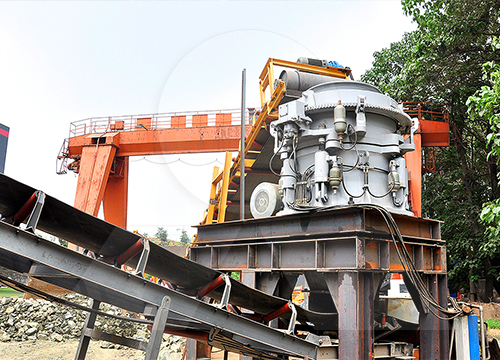
In contrast, the HPT300 multi-cylinder hydraulic cone crusher uses a multi-point perimeter support system. This layout spreads the structural stress equally around the eccentric throw, maintaining absolute alignment of the crushing mantle. Field tests confirm that distributing the hydraulic force ensures consistent crushing performance even when receiving a maximum feed size of 230 millimeters.
Maximizing Inter-Particle Crushing Action to Eliminate Flaky Aggregate Fractions
Traditional spring-cone mechanisms rely on single-particle impact, producing poor cubical shapes and high volumes of elongated waste. Multi-cylinder hydraulics enforce high-pressure material-on-material compression, ensuring that the rocks crush each other into premium cubical shapes rather than shearing into shards.
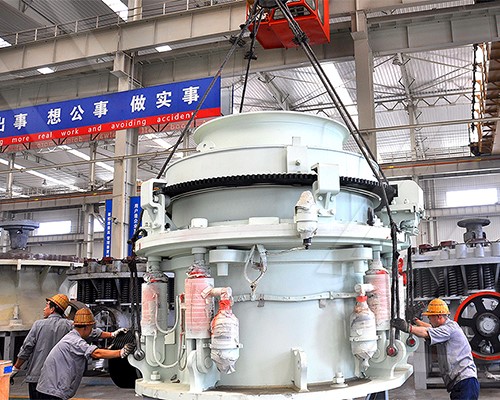
By combining high pivot point mechanics with an optimized stroke, the HPT500 multi-cylinder hydraulic cone crusher changes how hard rock fractures. The high-speed eccentric throw increases the kinetic energy transferred to the material bed inside the crushing cavity. Rocks are squeezed repeatedly against each other under extreme pressure, a process known scientifically as inter-particle crushing action.
This rock-on-rock friction is the secret to premium aggregate geometry.
Quarry operators frequently complain about the needle-like shapes produced by old impactors or low-force cone crushers when treating quartzite. The multi-cylinder architecture overcomes this by tightly controlling the closed side setting while maintaining a 400 kilowatts power delivery. This high energy input packs the cavity tightly, forcing particles to break along their natural mineral grain boundaries. When designing a high-capacity secondary cone crusher circuit, balancing this throughput is crucial for downstream performance.
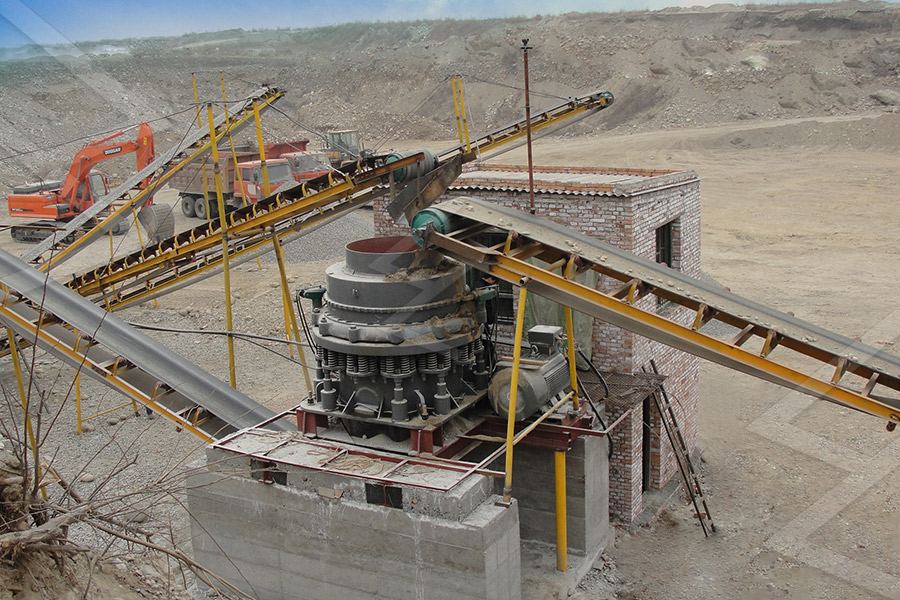
To handle the abrasive silica of hard volcanic formations at high throughput, we have engineered the following multi-stage circuit to optimize the production-to-cost ratio:
| Process Stage | Recommended Model | Capacity (tons per hour) | Power (kilowatts) | Max Feed (millimeters) |
|---|---|---|---|---|
| Primary Stage | NK75J Mobile Jaw Plant | 150-350 | 141.4 | 680 |
| Secondary Hard Rock Stage | HPT300 Cone Crusher | 110-440 | 250 | 230 |
| High-Capacity Tertiary Stage | HPT500 Cone Crusher | 220-790 | 400 | 330 |
Preventing Fatal Stalling via Automatic Tramp Release and Cavity Clearing
Tramp iron ingress halts single-cylinder and spring systems for hours, resulting in massive production deficits. Multi-cylinder networks instantly activate independent hydraulic release valves, passing uncrushable objects safely and clearing the chamber without manual intervention.
Uncrushable metal scrap often enters the material stream from loader bucket teeth or broken conveyor parts. In older spring cone designs, these foreign elements jam the mantle, forcing crews to spend hours manually cutting steel out of a choked cavity. This extreme physical hazard increases field maintenance risks and destroys operator morale.
Time lost during a blockage can ruin a shift’s financial performance.
The multi-cylinder design handles tramp iron dynamically by activating independent hydraulic cylinders that compress instantly when pressure exceeds safe limits. This automatic tramp release motion allows the uncrushable object to fall through the closed side setting smoothly. Once the metal clears, the hydraulic oil pressure restores the original mantle position immediately, ensuring continuous operation without losing precious throughput. Integrating this feature into a multi-stage granite crushing circuit saves hours of mechanical labor.
Rock Hardness Diagnostics and Operational Benchmarks for HPT Systems
Technical Index: LH-THE_ADVANTAGES_OF_MULTI_CY_HYDRAULIC_CONE_CRUSHERS_IN_HARD_ROCK_CRUSHING-April/2026-Ref-#49210
- Maximum Material Hardness Range: Up to Mohs hardness 8 or 300 MPa compressive strength
- Operational Flexibility: 110-790 tons per hour across HPT series
- Maximum Allowable Feed Intake: 230 to 330 millimeters maximum feed size
- Drive System Power: 250 to 400 kilowatts for hard rock configurations
- Target Safety Metric: Zero minutes of manual cavity clearing required during tramp events
- Lubrication System Oil Threshold: 45 degrees Celsius nominal operating temperature
Technical Index: LH-THE_ADVANTAGES_OF_MULTI_CY_HYDRAULIC_CONE_CRUSHERS_IN_HARD_ROCK_CRUSHING-April/2026-Ref-#49210
Lead Material Scientist’s Log: Analyzing Eccentric Wear and Amperage Fluctuations in 24/7 Quartzite Crushing Circuits
Why does high Mohs rock cause single-cylinder crushers to slip while multi-cylinder units maintain their setting? Our physical inspections of worn mantles reveal that a single-cylinder piston suffers from extreme force concentration under 250 MPa granite stress. This imbalance forces the oil to compress, causing setting drift, whereas multi-cylinder networks lock the ring frame using high-pressure hydraulic lines that withstand over 2100 PSI without shifting a millimeter. How does optimized stroke affect the energy efficiency when crushing basalt at maximum capacity? Compared to old-generation spring machines, the multi-cylinder arrangement matches the eccentric throw with high pivot point kinematics to increase material velocity. This movement ensures that the 400 kilowatts motor applies energy directly to inter-particle fracturing, expanding hourly throughput to 790 tons per hour without escalating energy expenses per shift. What causes oil temperature spikes in the lubrication loop during continuous hard rock reduction? Do not neglect the backpressure gauge on the lubrication circuit, because a pressure drop below 0.2 MPa usually indicates a blockage near the eccentric shaft bushing. When working 24/7 on hard basalt, oil temperature must stay below 55 degrees Celsius to prevent premature bronze sleeve wear and protect the internal thrust bearings from localized friction heat. Can the closed side setting be adjusted under load when processing abrasive granite aggregates? Our material deformation models suggest that maintaining a constant closed side setting of 15 millimeters requires active hydraulic regulation. The multi-cylinder hydraulic control allows operators to adjust the discharge gap via touch-screen valves while the motor runs at 250 kW, eliminating the traditional two-hour downtime window required for manual shim adjustments.
Optimizing Structural Survival and Amortization in High-Stress Granite Circuits
Ignoring how mineral physics affects crushing machinery leads directly to rapid asset destruction. When forcing hard rock through an outdated single-point support chamber, the extreme forces generated by 250 MPa granite stress propagate directly into the eccentric bush, creating severe heat discoloration that will cause complete bearing seizure and structural frame cracking next month if your secondary circuit layout is not updated immediately to a multi-point hydraulic configuration.
Replace single-cylinder units before localized material fatigue ruins your operational viability.
Secure Your 790tph Infrastructure Capital Payback Velocity
“Submit your rock hardness parameters and feed dimensions to our engineering team for a customized cavity audit.” — From the Desk of your Material and Efficiency Consultant
- > Which Demolition Waste Materials Are Suitable for Mobile Impact Crushers?
- > The Growing Use of Mobile Crushers in Africa
- > Key Features of Jaw Crushers in Tanzania: Durability and Efficiency in Tough Conditions
- > PE Jaw Crusher for Laterite Nickel Ore Crushing in Indonesia
- > Advantages of Impact Crushers for South Africa Iron Ore Processing
- > Stone Crusher Plant Price and Configuration: An Executive Capital Allocator’s Guide
- > Adaptability of Jaw Crushers to High-Moisture Content Materials
- > The Role of Cone Crushers in Iron Ore Beneficiation Processes


Online


Message