
The construction industry faces a monumental challenge: managing the vast amounts of waste generated by demolition, renovation, and construction activities. Traditionally, this debris ended up in landfills, causing environmental strain and resource depletion. However, the advent of construction waste recycling has turned this problem into an opportunity. At the heart of this green revolution is a powerful piece of equipment – the mobile cone crusher.
This article explores the critical role of mobile cone crushers in transforming construction waste into valuable, reusable materials.
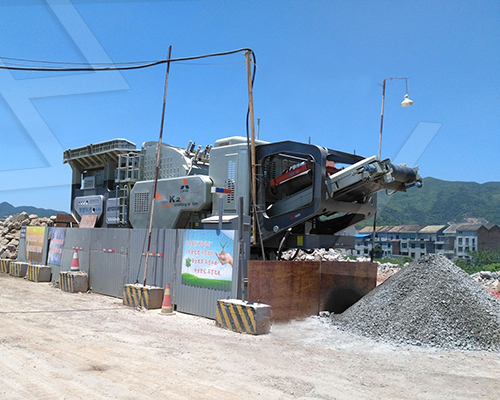
What is a Mobile Cone Crusher?
A mobile cone crusher is a self-contained, track-mounted crushing machine that combines a powerful cone crusher with a mobile chassis. Unlike stationary crushers, it can be easily transported to different job sites. Its core component, the cone crusher, is renowned for its ability to produce high-quality, well-shaped aggregates efficiently.
Key features that make it ideal for recycling include:
- Mobility: Moves directly to the waste pile, eliminating transportation costs.
- High Efficiency: Excels in medium to fine crushing, producing precise end products.
- Versatility: Can process a variety of materials, including reinforced concrete, bricks, and asphalt.
Key Applications in Construction Waste Recycling
Mobile cone crushers are uniquely suited to handle the specific demands of recycling construction and demolition (C&D) waste.
1. On-Site Processing for Maximum Efficiency
The primary advantage is the ability to process waste directly at the source. This eliminates the high cost and carbon footprint associated with transporting heavy, bulky waste to a fixed recycling plant. Contractors can crush debris immediately after demolition, clearing the site and creating reusable material for the new construction phase.
2. Production of High-Quality Recycled Aggregates
Construction waste like concrete and asphalt can be crushed into specified sizes of aggregate. A mobile cone crusher is perfect for this task because it produces well-graded, cubical end products. This recycled concrete aggregate (RCA) can be used as a sustainable substitute for virgin aggregate in various applications:
- Road Base and Sub-base: A primary use for recycled aggregate.
- New Concrete Production: Processed fine aggregate can be used in mixing new concrete.
- Pipe Bedding and Landscape Drainage: Smaller, uniformly crushed materials are ideal for these purposes.
3. Handling Reinforced Concrete with Ease
Demolition waste often contains steel rebar embedded in concrete. Many mobile cone crushers are equipped with automatic release systems and hydraulic adjustments that allow them to handle uncrushable material like rebar, which is then separated by a magnetic separator for recycling.
4. Space-Saving and Rapid Setup
Recycling sites are often temporary and space-constrained. The compact design and quick setup time of a mobile cone crusher make it ideal for urban environments and confined job sites, requiring minimal preparation to become operational.
The SEO-Optimized Benefits: Why Choose a Mobile Cone Crusher?
For businesses searching for “construction waste recycling solutions,” the benefits are clear:
- Cost-Effectiveness: Reduces tipping fees, transportation costs, and the need to purchase new virgin aggregates.
- Environmental Sustainability: Promotes a circular economy, reduces landfill use, and lowers the carbon footprint of construction projects.
- Operational Flexibility: Quickly move between multiple sites or different areas within a large site without major logistical hurdles.
- High-Quality Output: Ensures the production of saleable, in-spec recycled aggregates that meet industry standards.
The Mobile Crushing Process for Construction Waste
A typical recycling setup involves:
- Feeding: Excavators load construction waste into the mobile crusher’s hopper.
- Pre-Screening: A pre-screen can remove fine soil and dirt before the material enters the crusher, improving efficiency.
- Crushing: The cone crusher breaks down the concrete and asphalt into smaller pieces.
- Post-Crushing Screening: A built-in or separate mobile screen classifies the crushed material into different sizes (e.g., 0-5mm, 5-20mm, 20-40mm).
- Stockpiling: The separated, high-quality aggregates are stockpiled for immediate use or transport.
Conclusion
The mobile cone crusher is more than just a machine; it’s a cornerstone of modern, sustainable construction practices. By enabling efficient, on-site recycling of construction waste, it helps the industry reduce its environmental impact, lower project costs, and create a closed-loop system for materials. As regulations tighten and the demand for green building materials grows, investing in a mobile cone crusher is not just an operational decision—it’s a strategic move toward a more sustainable and profitable future.
For construction companies, demolition contractors, and recycling specialists, integrating this technology is the key to unlocking the full potential of construction waste recycling.
- > Application of Cone Crushers in Ore Processing
- > Cone Crusher vs. Impact Crusher in Quarry Operations: A Key Equipment Comparison
- > Jaw Crusher Performance in Volcanic Rock Processing: A Robust and Efficient Solution
- > The Role of Cone Crushers in Iron Ore Beneficiation Processes
- > Optimization of Secondary Cone Crushing Process in Peruvian Copper Mines
- > Impact Crushers for Shaping Construction Aggregates
- > When is a Mobile Crushing Plant the Right Choice? Ideal Working Conditions Explained
- > Durable Hydraulic Spring Cone Crusher for Mining Applications


Online


Message