
The global challenge of managing Construction and Demolition (C&D) waste has spurred a critical shift towards recycling and circular economy principles. In this transformative process, impact crushers have emerged as indispensable machinery, playing a pivotal role in converting bulky, heterogeneous debris into valuable, reusable secondary aggregates. This article explores the specific functions and advantages that make impact crushers the preferred choice for efficient C&D waste processing.
I. The Unique Demands of C&D Waste Processing
C&D waste is a complex mix, typically containing concrete, bricks, asphalt, wood, metals, and sometimes light contaminants like plastics or gypsum. Effective processing requires equipment that can:
- Handle highly abrasive and variable materials.
- Liberate embedded rebar and other metals.
- Produce a clean, well-shaped final aggregate.
- Tolerate occasional non-crushable items.
- Impact crushers are uniquely engineered to meet these exacting demands.
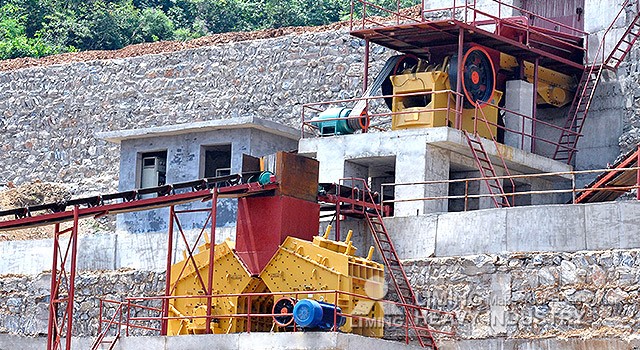
II. Key Advantages of Impact Crushers in C&D Recycling
1. Superior Liberation and Selective Crushing
The high-speed rotor and impact crushing action effectively break apart concrete chunks, liberating embedded rebar and wire mesh. This is crucial for producing clean aggregate and separating metals for recycling. Their design also allows smaller, non-crushable items to pass through more easily without catastrophic damage.
2. Production of High-Quality, Cubical Recycled Aggregates
Impact crushers excel at producing a well-shaped, cubical end product. This is essential for recycled aggregates intended for use as road base, sub-base, or even in new concrete (where specifications allow). The cubical shape ensures better compaction and mechanical interlock, rivaling the performance of virgin materials.
3. High Flexibility and Mobility
- Mobile Impact Crushers: Track-mounted impact crushers are a game-changer. They can be transported directly to demolition or construction sites, enabling on-site processing. This eliminates the cost and environmental impact of hauling massive volumes of waste to distant fixed plants and transporting processed aggregate back to the site.
- Adaptability: The output size can be easily adjusted by changing rotor speed or adjusting the gap between impact aprons, allowing a single plant to produce different aggregate grades as needed.
4. Efficiency in a Single-Stage Reduction
For many C&D applications, a robust mobile impact crusher can function as a primary and secondary crusher in one unit, especially when equipped with a prescreen to remove fine dirt and a post-screen to size the final product. This simplifies the recycling circuit, reducing capital and operational costs.
III. The Typical Processing Workflow with an Impact Crusher
A standard efficient setup for C&D waste involves:
- Pre-Sorting & Feeding: Light contaminants (wood, plastics) and large metals are manually or mechanically removed. Remaining concrete and masonry are fed into the crusher.
- Primary Crushing & Liberation: The Impact Crusher receives the material, crushing it and liberating embedded metals.
- Metal Separation: A powerful magnetic separator (usually an overband magnet) removes ferrous metals from the crushed material stream.
- Final Sizing & Contaminant Removal: The crushed aggregate passes through a screening unit (often integrated with the mobile plant) to separate it into precise fractions (e.g., 0-20mm, 20-40mm). Optional wind sifters or air knives can remove light contaminants.
- Stockpiling: Clean, sized recycled aggregates are stockpiled for sale or direct use.
IV. Tangible Benefits for Operators and the Environment
- Economic Value: Turns a disposal cost into a revenue stream through the sale of recycled aggregates and scrap metal.
- Regulatory Compliance: Helps companies meet and exceed increasingly stringent landfill diversion and recycling targets.
- Sustainability: Conserves natural resources, reduces landfill use, and lowers the carbon footprint associated with quarrying and transporting virgin aggregates.
- Project Efficiency: On-site crushing with mobile impactors drastically reduces truck traffic, project timelines, and overall project costs.
V. Conclusion: The Indispensable Engine of Circular Construction
In the mission to build a more sustainable construction industry, the impact crusher is far more than just a piece of crushing equipment. It is the core processing engine that enables the efficient, high-volume transformation of C&D waste into certified, high-grade secondary raw materials.
For demolition contractors, recycling center operators, and forward-thinking construction firms, investing in the right impact crushing technology is a strategic decision. It delivers immediate operational benefits, ensures regulatory future-proofing, and positions a business at the forefront of the circular economy—turning yesterday’s structures into tomorrow’s foundations.
- > Mobile Vibrating Screens for Sand Processing in Malaysia
- > Extensive Use of Jaw Crushers in the Mining and Quarrying Industry
- > Impact Crusher for Granite Processing
- > Application of Cone Crusher in Granite Crushing Production Line
- > High-Capacity Stone Vibrating Feeder: Enhancing Efficiency in Material Handling
- > High-Efficiency Vibrating Feeder for a 50 TPH Stone Production Line: Essential for Consistent Material Flow
- > Application of PE-600×900 Jaw Crusher in Railway Ballast Production Line
- > Crawler Mobile Crushers in Open-Pit Mining: Efficiency and Flexibility


Online


Message