
Based on our recent site audits in heavy monsoon zones, the biggest threat to your capital payback velocity isn’t the hardness of the rock, but the moisture of the mud. If you’ve ever spent a Tuesday morning watching your crew attack a plugged feed hopper with crowbars, you know that wet clay doesn’t care about theoretical capacity. The sticky fines act like industrial glue, packing into every crevice, bridging over the discharge chute, and turning your primary crushing stage into a solid block of concrete.
The mechanical physics are brutal. When you force wet, cohesive material into a standard tight-clearance chamber, the trapped moisture causes the fines to adhere to the manganese liners. You lose your nip angle, throughput plummets to zero, and the vibration felt through the platform warns you that the main eccentric shaft is taking a beating. We need to stop guessing and look at the equipment actually built to survive this mess.
The Engineering Reality of High-Moisture Clay Circuits
A conventional compression crusher will choke on 15% moisture, spiking the motor amperage until the breakers trip.
You cannot fight mud with more pressure. Cone crushers, for example, rely on inter-particle compression. When you feed them sticky clay, that clay acts as a hydraulic cushion, absorbing the crushing force and packing the mantle and concave tight. The smell of overheated grease on a seized bearing usually follows shortly after. To handle wet material, you need velocity and open space, not pure compression. This is why we look heavily at open-bottom impactor configurations.
Impact crushers like the CI5X series hit the material in mid-air. More importantly, when configured for wet applications, they operate without bottom grate bars. If there is no grate, there is nothing for the mud to bridge across. The material shatters and immediately exits the chamber. Keep the blow-bars sharp, and the sticky fines are ejected before they have a chance to accumulate on the impact plates.
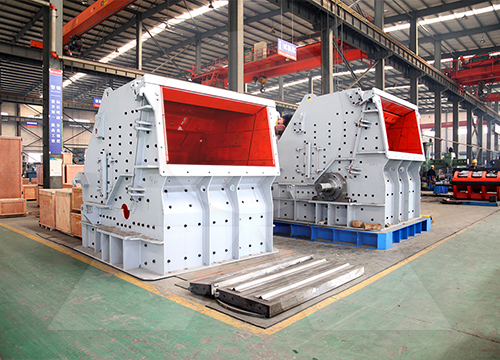
Why Standard Chambers Choke on Sticky Feed
Ignoring the friction coefficient of wet clay guarantees daily downtime for manual chamber clearing.
Let’s look at the primary stage. If your feed is heavily mixed with wet soil, a standard jaw crusher is going to struggle unless it has the right geometry. The C6X series jaw crusher survives here because of its aggressive kinematic stroke and wider discharge opening. The swing jaw doesn’t just crush; it forces the material downward. However, if you feed a constant stream of sticky muck without scalping the fines first, even the toughest toggle plates will undergo severe stress.
The trick is synchronized separation. You must install a heavy-duty vibrating feeder with a stepped grizzly section ahead of the primary jaw. You wash or scalp out the sticky fines before they ever enter the crushing cavity. If you dump raw, wet muck directly into a closed-circuit system, you are essentially asking your hydraulic cylinders to compress water—a mechanical impossibility that shatters frames.
Field-Tested Configurations for Muddy Operations
To handle the cohesive nightmare of wet clay at high capacities, we have engineered the following survival circuit.
We don’t mess around with theoretical setups when the mud gets thick. Whether you are running a static plant or need the rapid deployment of a mobile unit, the equipment matrix below is based on actual site data where the material threatens to bridge every single shift. We prioritize open discharge and high-torque drives.
| Process Stage | Recommended Model | Capacity (tons per hour) | Power (kilowatts) | Max Feed (millimeters) |
|---|---|---|---|---|
| Primary Coarse (Aggressive Stroke) | C6X110 Jaw Crusher | 160-550 | 160 | 720 |
| Secondary (No Grate Bar) | CI5X1213 Impact Crusher | 200-300 | 200-250 | 550 |
| All-in-One Mobile (Pneumatic) | NK1213C Mobile Plant | 150-300 | 228.5 | 550 |
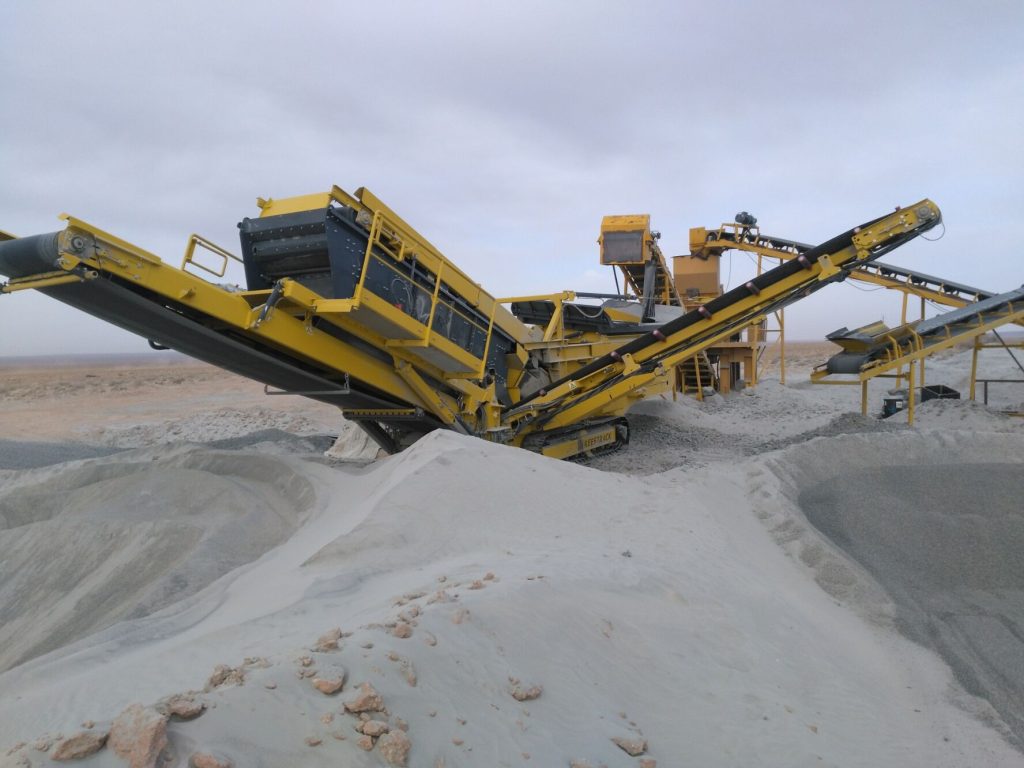
300tph Monsoon Circuit: Wet Feed Vulnerability Metrics
- Primary Main Motor Drive: 160 kilowatts (C6X110)
- Mobile Plant Intake Ceiling: 550 millimeters
- Secondary Impactor Capacity: 200-300 tons per hour
- Mobile Unit System Load: 228.5 kilowatts (NK1213C)
- Secondary Impactor Power: 200-250 kilowatts (CI5X1213)
Technical Index: LH-WETCRUSH-APRIL/2026-Ref-#48291
Chief Mechanic’s Log: Surviving 20% Moisture Feed Without Seizing
Why does the conveyor belt slip and the hopper bridge only during the morning shift? I’ve watched condensation mix with the residual dust overnight, turning the feed into a sticky paste by dawn. When you hit the 160 kW motor on the C6X110 cold, that paste immediately coats the swing jaw. You need to run dry material for the first ten minutes to heat the liners and scour the chamber before dumping the wet load. Can we use a multi-cylinder cone crusher if the clay content is over 15%? Back in 2015, I saw a crew try to force muddy gravel through a tight closed-side setting, and they snapped the eccentric shaft in two days. Cones are for hard, brittle rock. Sticky fines will pack the crushing cavity, triggering the tramp release hydraulics constantly. Stick to the CI5X1213 impactor with no bottom grates. How do we stop the discharge chute from plugging up every two hours? Stop narrowing the gravity drop. If you are pushing 200-300 tons per hour of wet material out of the CI5X1213, the discharge angle below the machine must be steep—at least 50 degrees. Add a high-molecular polyurethane liner to the chute. Steel rusts and creates friction; poly liners let the mud slide. What is the actual impact of moisture on the mobile NK1213C’s power draw? Data shows that every 5% increase in cohesive moisture spikes the amperage drag on the 228.5 kW system by nearly 12%. The heavy mud absorbs the kinetic energy of the blow bars. You compensate by opening the apron settings slightly to maintain throughput and keep your expenditure per shift under control.
Eliminating Bridging Downtime in Heavy Mud Circuits
When you continuously feed wet, sticky clay into a chamber not designed to eject it, the resulting hydraulic compaction transfers lethal stress directly to the bearings, and that 160 kW motor load will eventually spike enough to cause irreversible thermal damage. You cannot negotiate with mud. If you fail to rip out the bottom grates on your impactors or fail to scalp the fines before they hit the primary jaw, you will be replacing snapped eccentric shafts next month while your site bleeds cash.
Stop Guessing on Hopper Bridging Failures
“Send us your moisture percentage and feed size, and we will audit your equipment’s survival threshold.” — From the Desk of your Field Technical Director
- > Jaw Crusher for Hard Rock Crushing: Efficiency and Durability
- > Efficiency and Applications of Small Rock Bauxite Jaw Crushers in Indonesia
- > Versatility of the XS Series Sand Washer for Various Materials
- > The Advantages of Multi-Cylinder Hydraulic Cone Crushers in Hard Rock Crushing
- > The Application of Impact Crushers in the Mining Industry
- > How a Mobile Impact Crusher Revolutionized On-Site Concrete Recycling
- > Advantages and Disadvantages of Cone Crushers: A Comprehensive Overview
- > Utilization of Iron Ore in Construction Materials and the Role of the PE600x900 Jaw Crusher


Online


Message